Trump Trade War Escalates: US Slaps $1 Billion Ban on Canadian Imports
In a dramatic escalation of trade tensions, the US has imposed a sweeping ban on nearly $1 billion worth of Canadian imports, including luxury goods like alcoholic beverages and high-end motorcycles. The move is the latest salvo in a long-standing tariff dispute sparked by President Donald Trump's protectionist policies. Canada
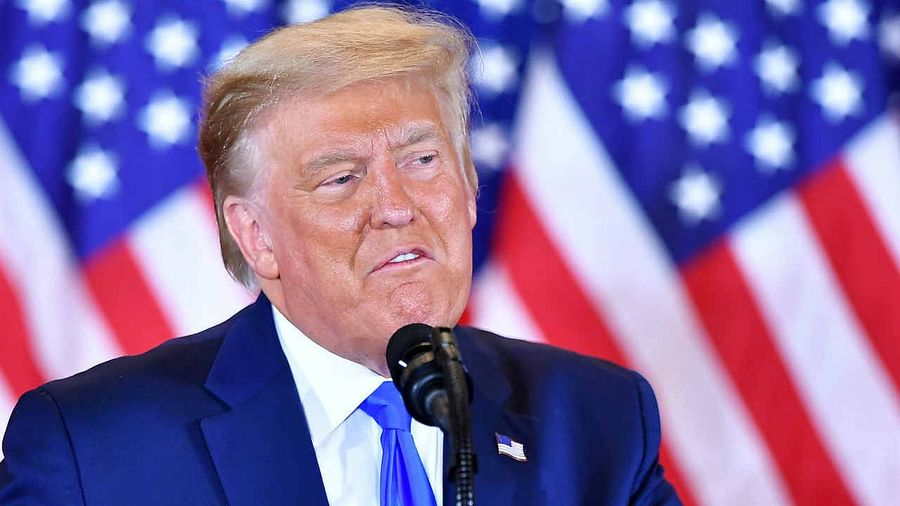
It was a chilly autumn evening in Washington, D.C., when the news broke like a firestorm, sending shockwaves across the continent. The United States had taken a bold, yet brazen move, imposing a sweeping ban on nearly $1 billion worth of Canadian imports. The list of forbidden items read like a luxury catalog, with high-end motorcycles, fine wines, and premium spirits making the cut. The move was the latest salvo in a long-standing tariff dispute that had been simmering for months, ever since President Donald Trump's protectionist policies had set the global trade community abuzz.
The roots of this latest escalation lay in the dusty corridors of Washington's trade offices, where officials had been engaged in a delicate dance of negotiations with their Canadian counterparts. The Canadian government, led by Prime Minister Justin Trudeau, had been pushing hard for a negotiated settlement, but the Trump administration had refused to budge. The president's advisors had convinced him that the tariffs were necessary to protect American industries and workers, and that Canada was not playing by the rules.
As the news spread like wildfire, markets began to tremble, and the Canadian dollar plummeted to historic lows. Traders scrambled to adjust their positions, while investors watched nervously as the value of their portfolios began to erode. The impact was not limited to the financial markets; the news had a direct bearing on the livelihoods of thousands of Canadians who worked in the industries targeted by the ban.
Among those most affected were the proud owners of Quebec's iconic motorcycle manufacturer, Motospecs. The company had been a mainstay of the province's economy for decades, producing high-performance bikes that were sought after by enthusiasts around the world. The ban meant that Motospecs would have to suspend production, leaving hundreds of workers without a paycheck. The news was met with shock and outrage, as the Quebec government vowed to take action to protect its cherished industry.
Meanwhile, in the upscale neighborhoods of Toronto and Vancouver, wine connoisseurs and spirits aficionados were in for a rude awakening. The ban had also targeted some of the world's finest vintages, including Canadian-made whiskey and premium scotch. The news sent shockwaves through the hospitality industry, as restaurateurs and bartenders scrambled to adjust their menus to avoid the tariffs.
As the day drew to a close, the Trudeau government issued a statement condemning the move as "unacceptable" and "unfair." The Canadian ambassador to the United States, Kirsten Hillman, was dispatched to Washington to meet with her American counterpart, to try and persuade the Trump administration to reconsider its decision. The meeting was expected to be tense, with both sides dug in and unwilling to back down.
The stakes were high, and the world was watching. The US-Canada trade relationship was one of the most vital in the world, with billions of dollars in commerce passing through the two nations every year. The ban had the potential to destabilize the entire North American economy, and the global implications were impossible to ignore.
Also Read

NTR Jr Opens Up About Loneliness on His Debut Day
NTR also expressed gratitude for the people who became an important part of his life, saying that, apart from his fans, he feels blessed by God to have the family of S S Rajamouli and M M Keeravaani.
As the news of the ban settled in, the international community began to weigh in, with many expressing concern over the potential impact on global trade. The European Union, which had been watching the US-Canada trade dispute with great interest, issued a statement cautioning against the use of tariffs as a tool of economic policy. The EU's trade commissioner, Cecilia Malmström, warned that the move could have "serious consequences" for the global economy.
Back in the United States, the reaction was mixed. Some politicians, including Senate Majority Leader Mitch McConnell, praised the Trump administration for standing up to Canada and defending American interests. Others, including Democratic leaders like Nancy Pelosi and Chuck Schumer, condemned the move as "reckless" and "short-sighted." The business community was also divided, with some CEOs praising the move as a necessary measure to protect American industries, while others warned of the potential long-term damage to the economy.
As the days turned into weeks, the impact of the ban began to take shape. The Canadian economy, already reeling from a prolonged period of low growth, began to slow further. The country's manufacturing sector, which had been struggling to compete with cheaper imports from Asia, saw a sharp decline in output. The job market also began to feel the pinch, as workers in the affected industries lost their jobs.
In Quebec, the motorcycle industry was in free fall, with Motospecs forced to lay off hundreds of workers. The company's CEO, Jean-Pierre Lachance, vowed to fight on, but the outlook was bleak. "We're not just fighting for our business," he said in an interview. "We're fighting for the future of our industry and our community."
As the weeks turned into months, the dispute showed no signs of abating. The Trudeau government continued to push for a negotiated settlement, but the Trump administration remained resolute. The ban had become a symbol of the administration's protectionist policies, and President Trump was determined to see it through.
The world was left to wonder what the future held for the US-Canada trade relationship. Would the ban be the catalyst for a new era of economic cooperation, or would it mark the beginning of a long and painful trade war? One thing was certain: the stakes were high, and the world was watching with bated breath.
As the dust settled, the experts began to weigh in, offering their own analysis of the situation. Dr. Brian Kingston, a trade expert at the University of Toronto, warned that the ban could have serious long-term consequences for the Canadian economy. "The impact of the ban will be felt for years to come," he said. "It's not just about the tariffs themselves, but about the signal they send to investors and businesses."
Dr. Kingston's colleague, Dr. David Macdonald, a trade economist at the Canadian Centre for Policy Alternatives, offered a more optimistic view. "The ban is a temporary setback, but it's not the end of the world," he said. "Canada has a strong economy and a resilient workforce. We'll bounce back from this."
As the debate raged on, one thing was clear: the US-Canada trade relationship had entered a new and uncertain era. The ban had opened up a Pandora's box of questions about the future of trade, and the world was left to wonder what the future held.