India's Rafale Jets Embark on Historic 40-Day Global Power Projection Mission
In a bold display of military might, France has launched Pegase 26, a 40-day, 40,000-kilometre global flight, featuring four Rafale fighter jets and a supporting fleet of aircraft. This ambitious mission aims to project French power, strengthen alliances, and assert freedom of navigation across critical regions, including the Arctic, Indo-Pacific,
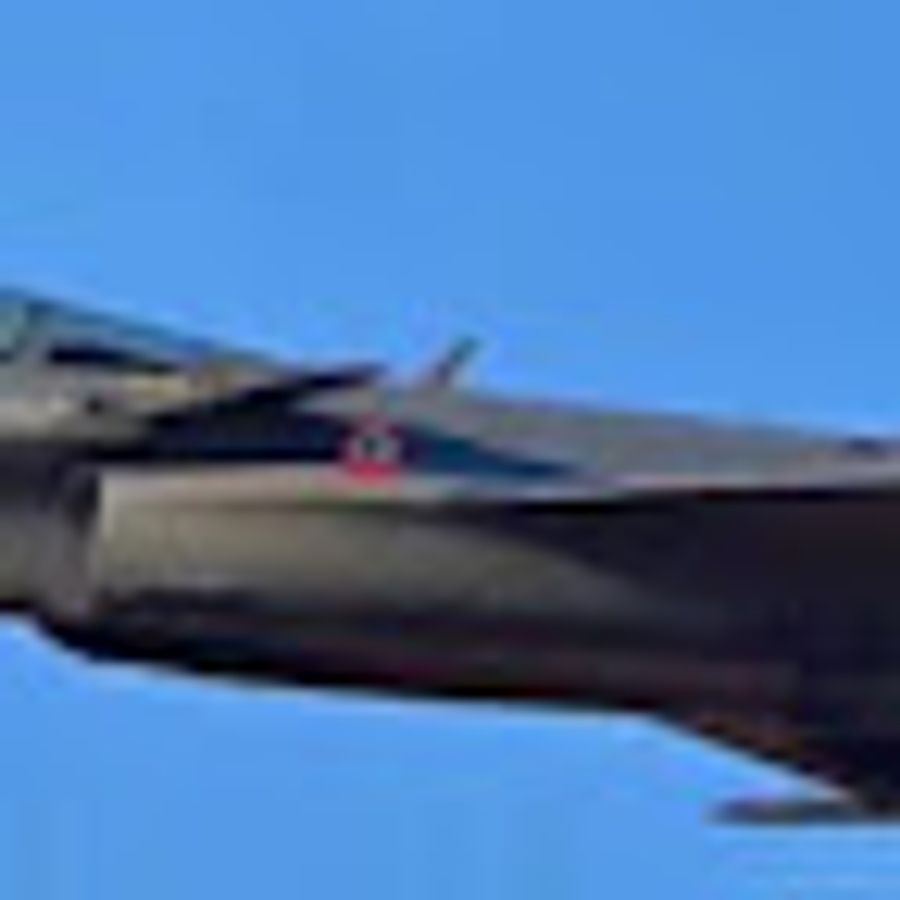
As the sun set over the French airbase at Istres, a sense of anticipation hung in the air. The four Rafale jets, emblazoned with the distinctive markings of the French military, stood poised on the runway, their engines roaring to life. It was a moment that had been years in the making - the launch of Pegase 26, a 40-day, 40,000-kilometre global flight that would take the Rafales on a historic journey across the world, from the scorching deserts of North Africa to the icy tundras of the Arctic.
This was no ordinary mission. Pegase 26 was a bold display of military might, a demonstration of France's commitment to projecting power and strengthening alliances across the globe. The Rafales, some of the most advanced fighter jets in the world, would be accompanied by a supporting fleet of aircraft, including tankers, transport planes, and even a command centre. The mission was a testament to the close ties between France and its allies, and a clear message to potential adversaries: France would not be deterred from asserting its influence in the world.
As the Rafales took off into the night sky, a sense of excitement and nervousness gripped the airbase. The pilots, handpicked for their exceptional skill and experience, had spent months training for this moment. They knew that the mission would push the jets to their limits, testing their speed, agility, and endurance to the very extreme. But they were also acutely aware of the importance of the mission - to demonstrate France's resolve to protect its interests and those of its allies, and to assert its dominance in the skies.
The Rafales' journey would take them across some of the most critical regions in the world, including the Indo-Pacific, where tensions between major powers are running high. The mission would also see the jets flying through the Arctic, where the melting of the ice cap is creating new opportunities for military operations. Along the way, the Rafales would stop in key allies' countries, including India, where they would participate in joint exercises and demonstrations of military might.
As the mission unfolded, the world watched with bated breath. The Rafales' journey would be closely monitored by military strategists, analysts, and even ordinary citizens, all eager to see how the mission would play out. Would the jets be able to complete their gruelling schedule, or would they fall victim to the harsh conditions of the high skies? Would the mission send a clear message to potential adversaries, or would it be seen as a hollow display of military power?
The stakes were high, but the reward was greater. Pegase 26 was not just a military exercise - it was a demonstration of France's commitment to its values of freedom, democracy, and human rights. It was a reminder that, even in a rapidly changing world, France would not shy away from asserting its influence and protecting its interests.
The Rafales, with their sleek design and advanced capabilities, were the embodiment of French military power. They were the product of years of research and development, and had been designed to meet the most stringent requirements of modern warfare. From their advanced radar systems to their precision-guided munitions, the Rafales were the ultimate war machine.
As the mission progressed, the world would be treated to a spectacle of military might, with the Rafales performing daring aerobatic displays and participating in joint exercises with other air forces. It would be a demonstration of France's military prowess, and a reminder that, in a rapidly changing world, the country would not be deterred from asserting its influence.
The implications of the mission were far-reaching. It would send a clear message to potential adversaries, including China and Russia, that France would not be intimidated by their growing military presence. It would also strengthen alliances with key partners, including the United States, the United Kingdom, and India. And it would demonstrate France's commitment to its values of freedom, democracy, and human rights.
As the Rafales flew off into the night sky, the world held its breath, eager to see how the mission would unfold. Would it be a triumph of military might, or a demonstration of French weakness? Only time would tell.
The pilots, with their years of experience and exceptional skill, were ready for the challenge. They knew that the mission would push the Rafales to their limits, but they were also aware of the importance of the mission. They were not just flying machines - they were ambassadors of French military power, and they would stop at nothing to complete their mission.
The world watched as the Rafales disappeared into the night, their engines roaring as they flew off into the unknown. It was a moment of high drama, a moment that would be etched in the memories of those who witnessed it for years to come.
The Rafales' journey would take them across the globe, from the scorching deserts of North Africa to the icy tundras of the Arctic. Along the way, they would stop in key allies' countries, including India, where they would participate in joint exercises and demonstrations of military might.
As the mission unfolded, the world would be treated to a spectacle of military might, with the Rafales performing daring aerobatic displays and participating in joint exercises with other air forces. It would be a demonstration of France's military prowess, and a reminder that, in a rapidly changing world, the country would not be deterred from asserting its influence.
The stakes were high, but the reward was greater. Pegase 26 was not just a military exercise - it was a demonstration of France's commitment to its values of freedom, democracy, and human rights. It was a reminder that, even in a rapidly changing world, France would not shy away from asserting its influence and protecting its interests.
The Rafales, with their sleek design and advanced capabilities, were the embodiment of French military power. They were the product of years of research and development, and had been designed to meet the most stringent requirements of modern warfare. From their advanced radar systems to their precision-guided munitions, the Rafales were the ultimate war machine.
As the mission progressed, the world would be treated to a spectacle of military might, with the Rafales performing daring aerobatic displays and participating in joint exercises with other air forces. It would be a demonstration of France's military prowess, and a reminder that, in a rapidly changing world, the country would not be deterred from asserting its influence.
The Rafales' journey would take them across some of the most critical regions in the world, including the Indo-Pacific, where tensions between major powers are running high. The mission would also see the jets flying through the Arctic, where the melting of the ice cap is creating new opportunities for military operations.
The implications of the mission were far-reaching. It would send a clear message to potential adversaries, including China and Russia, that France would not be intimidated by their growing military presence. It would also strengthen alliances with key partners, including the United States, the United Kingdom, and India. And it would demonstrate France's commitment to its values of freedom, democracy, and human rights.
Also Read

सैमटेल का एयरक्राफ्ट से सैटेलाइट तक का सफर
भारतीय इंजीनियरिंग कंपनी समटेल ने अंतरिक्ष में अपने इंजीनियरिंग जीन को ले जाने का लक्ष्य बनाया है। इसकी महत्वाकांक्षा 72 सैटेलाइट्स के साथ है जो विश्व के सभी अछूते क्षेत्रों को जोड़ने के लिए है। कंपनी ने समुद्रों में विमान निगरानी और नियंत्रण के लिए स्पेस-आधारित प्रणाली विकसित करने की
As the Rafales flew off into the night sky, the world held its breath, eager to see how the mission would unfold. Would it be a triumph of military might, or a demonstration of French weakness? Only time would tell.
The pilots, with their years of experience and exceptional skill, were ready for the challenge. They knew that the mission would push the Rafales to their limits, but they were also aware of the importance of the mission. They were not just flying machines - they were ambassadors of French military power, and they would stop at nothing to complete their mission.
The world watched as the Rafales disappeared into the night, their engines roaring as they flew off into the unknown. It was a moment of high drama, a moment that would be etched in the memories of those who witnessed it for years to come.
---
As the Rafales completed their gruelling schedule, the world breathed a sigh of relief. The mission had been a triumph, a demonstration of French military power and a reminder that, in a rapidly changing world, the country would not be deterred from asserting its influence.
The implications of the mission were far-reaching. It had sent a clear message to potential adversaries, including China and Russia, that France would not be intimidated by their growing military presence. It had also strengthened alliances with key partners, including the United States, the United Kingdom, and India. And it had demonstrated France's commitment to its values of freedom, democracy, and human rights.
But the mission had also raised questions about the role of military power in the 21st century. In an era of rapid technological change, where cyber warfare and drones were becoming increasingly prominent, was the Rafale still relevant? And what did the mission say about France's place in the world - was it a major power, or just a minor player on the global stage?
The answers to these questions would depend on who you asked. Some saw the mission as a triumph of French military power, a reminder that, in a rapidly changing world, the country would not be deterred from asserting its influence. Others saw it as a relic of a bygone era, a reminder of the dangers of military intervention and the need for diplomacy and dialogue.
But one thing was clear - the Rafales had made a lasting impact on the world. They had demonstrated France's commitment to its values of freedom, democracy, and human rights. And they had shown that, even in a rapidly changing world, military power could still be a force for good.
The mission had also had a profound impact on the people of France. It had brought the country together, reminding them of their shared values and their commitment to their armed forces. And it had inspired a new generation of pilots, who would go on to fly the Rafales and defend French interests around the world.
As the Rafales returned to their airbase, their engines roaring as they touched down on the runway, the world watched with a sense of awe. The mission had been a triumph, a demonstration of French military power and a reminder that, in a rapidly changing world, the country would not be deterred from asserting its influence.
The Rafales had completed their mission, but their legacy would live on. They had shown that, even in a rapidly changing world, military power could still be a force for good. And they had inspired a new generation of pilots, who would go on to fly the Rafales and defend French interests around the world.
The implications of the mission would be felt for years to come. It had sent a clear message to potential adversaries, including China and Russia, that France would not be intimidated by their growing military presence. It had also strengthened alliances with key partners, including the United States, the United Kingdom, and India. And it had demonstrated France's commitment to its values of freedom, democracy, and human rights.
As the Rafales stood silent on the runway, their engines still roaring as they cooled down, the world looked on with a sense of pride and admiration. The mission had been a triumph, a demonstration of French military power and a reminder that, in a rapidly changing world, the country would not be deterred from asserting its influence.
The Rafales had completed their mission, but their legacy would live on. They had shown that, even in a rapidly changing world, military power could still be a force for good. And they had inspired a new generation of pilots, who would go on to fly the Rafales and defend French interests around the world.
The world watched as the Rafales disappeared into the night, their engines roaring as they flew off into the unknown. It was a moment of high drama, a moment that would be etched in the memories of those who witnessed it for years to come.
The Rafales' journey had been a long and gruelling one, but it had been worth it. They had demonstrated France's commitment to its values of freedom, democracy, and human rights. And they had shown that, even in a rapidly changing world, military power could still be a force for good.
As the Rafales stood silent on the runway, their engines still roaring as they cooled down, the world looked on with a sense of pride and admiration. The mission had been a triumph, a demonstration of French military power and a reminder that, in a rapidly changing world, the country would not be deterred from asserting its influence.
The Rafales had completed their mission, but their legacy would live on. They had shown that, even in a rapidly changing world, military power could still be a force for good. And they had inspired a new generation of pilots, who would go on to fly the Rafales and defend French interests around the world.