Woman Gets High Court Relief After Life Sentence for Infant's Murder
A woman who was sentenced to life imprisonment for the murder of her infant has received relief from the High Court. The court granted her bail, allowing her to appeal the initial conviction. The case highlights ongoing discussions regarding legal proceedings in similar cases. Further proceedings will determine the outcome
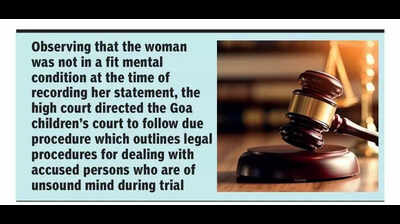
In a notable turn of events, a woman who had been sentenced to life imprisonment for the murder of her infant received a significant reprieve from the High Court in Agra. On Thursday, the court granted her bail, enabling her to appeal the initial conviction that has drawn widespread attention and raised questions about the judicial processes in cases involving maternal infanticide.
The case dates back to 2020 when the woman was accused of killing her newborn shortly after giving birth. Prosecutors argued that she acted out of desperation, fearing social stigma and financial hardships. The trial court's decision to impose a life sentence ignited debates among legal experts and human rights activists, who argued that such severe punishments might overlook the complex social and psychological factors at play in maternal cases.
In its ruling, the High Court expressed concern about the adequacy of the evidence presented during the trial. "Justice should not only be about punishment but also understanding the deeper circumstances that lead to tragic outcomes," said a spokesperson for the court. This perspective opens the door for re-examining the interplay between social pressures and legal responsibilities in cases involving mothers and infants.
Legal analysts believe that this case underscores a broader issue within the Indian legal system—one that often struggles to adapt to the multifaceted nature of human behavior and societal expectations. Many advocates are calling for reforms that take into account the mental health and socio-economic conditions of accused individuals, particularly women, who may face insurmountable challenges during childbirth and motherhood.
As the case progresses towards a fresh appeal hearing, it is expected to draw further scrutiny from both the public and legal experts. Discussions are likely to arise around the current state of legal protections for women, who may find themselves criminalized for actions stemming from extreme distress. These dialogues are crucial, particularly in a society where financial hardships and societal expectations frequently collide in the realm of motherhood.
The High Court’s decision has instilled a sense of hope for the woman’s family, who remain steadfast in their belief that justice will ultimately prevail. They view the opportunity for appeal as a chance to seek a more comprehensive understanding of the circumstances that led to the tragic incident. As one family member stated, "We are relieved to see the system recognizing that our loved one deserves a chance for her voice to be heard."
In the coming months, as the legal proceedings unfold, this case will not only affect the woman's future but also serve as a litmus test for the justice system’s ability to reconcile compassion with legal accountability. The implications for similar cases across the country could be profound, prompting necessary discussions that redefine how society and the law approach such deeply complex issues. As the legal process continues, all eyes will remain on Agra, waiting to see how this poignant case impacts broader societal norms and legal standards.