Supreme Court clears above-ground work on White House Ballroom project
An August 31 order left the legality of the East Wing project unresolved. According to the Washington Post, the broader development is estimated to cost approximately $600 million.
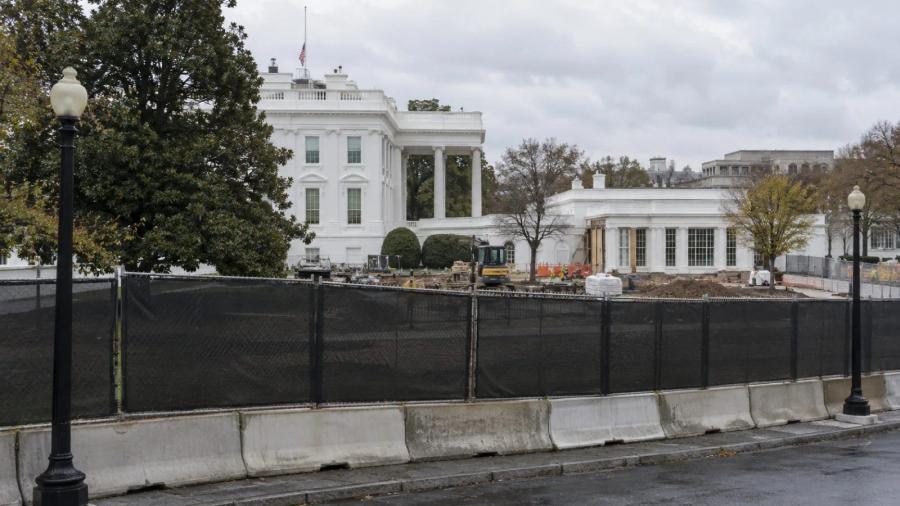
The Supreme Court has issued a pivotal stay that allows above-ground construction to proceed on the controversial White House Ballroom project, effectively halting a legal stalemate that persisted for months. This judicial intervention follows a contentious order from August 31 that had left the legal standing of the ambitious East Wing expansion in a state of profound uncertainty. While the stay ensures that physical work continues on the surface, the underlying constitutional questions regarding the project’s authorization and budgetary oversight remain unresolved. The decision marks a significant victory for the executive branch, which has been pushing to complete the facility despite mounting opposition from legislative critics and transparency advocates.
The background of the project reveals a complex architectural undertaking intended to modernize the executive residence to accommodate high-level diplomatic functions and state events. According to reports from the Washington Post, the broader development project is estimated to cost approximately $600 million, a figure that has drawn intense scrutiny from fiscal hawks and preservationists alike. Proponents of the project argue that the current facilities are insufficient for modern security protocols and the logistical demands of contemporary international relations. However, critics contend that the scale of the construction threatens the historical integrity of the landmark site and represents an unnecessary expenditure of public funds during a period of economic volatility.
The impact of this Supreme Court ruling is far-reaching, extending beyond mere construction timelines. By allowing above-ground work to continue, the court has prevented a total collapse of the project, potentially saving millions in logistical sunk costs. Nevertheless, the unresolved nature of the project’s legality casts a shadow over the final phases of the expansion. As the structure rises above the East Wing, it serves as a focal point for a broader debate over the limits of executive power and the preservation of national landmarks under federal oversight.
Also Read

सिरसा में किसानों का जोरदार प्रदर्शन, चुनाव आयोग के अध्यक्ष को हटाने की मांग
संयुक्त किसान मोर्चा के कार्यकर्ताओं ने सिरसा में 'संविधान बचाओ' अभियान के तहत प्रदर्शन किया। उन्होंने राष्ट्रपति को संबोधित कर मुख्य चुनाव आयुक्त को हटाने की मांग करते हुए ज्ञापन सौंपा।
The Supreme Court’s decision to allow above-ground construction on the White House ballroom represents a critical juncture in the intersection of executive privilege and federal preservation laws. By staying the injunction while the broader legality of the East Wing project remains debated, the court has effectively prioritized the momentum of the multi-million-dollar development. This legal maneuver is significant because it sets a precedent for how the executive branch can bypass structural restrictions on historical sites when a project is framed as a matter of administrative necessity. If the project is ultimately deemed unlawful, the financial and architectural fallout could be irreversible, potentially leading to a landmark legal battle over the government's power to retroactively dismantle completed federal structures.
The impact of this ruling extends far beyond the physical architecture of the White House. Economically, the $600 million price tag has already drawn scrutiny regarding the allocation of public funds for non-essential luxury enhancements. Politically, the move signals an emboldening of the executive branch, suggesting that current leadership may prioritize modern expansion over the restrictive mandates of historical preservation commissions. Furthermore, the decision creates a complex environment for future administrations, who must now navigate a legal landscape where large-scale modifications to the nation's most symbolic residence can proceed without immediate judicial oversight.
Moving forward, the legal focus will shift to the pending arguments in the lower courts regarding the subterranean components of the ballroom expansion. Observers must watch for the environmental impact reports that determine whether the structural integration of the modern ballroom compromises the original integrity of the East Wing. Additionally, the transparency of the $600 million budget will likely become a point of contention in oversight committees as construction continues. The ultimate test will be whether the Supreme Court's stay is a temporary pause or a permanent green light for a project that fundamentally alters federal real estate.