"Shehbaz Sharif Hits Setback as India Exports Medicines to Afghanistan; Taliban Plans New Moves"
A significant market for Pakistani pharmaceutical companies has closed following restrictions imposed by the Taliban government in Afghanistan. This closure impacts the export of various medicines and healthcare products, affecting trade relations between the two countries. The restrictions highlight ongoing challenges in cross-border commerce amid shifting political dynamics.
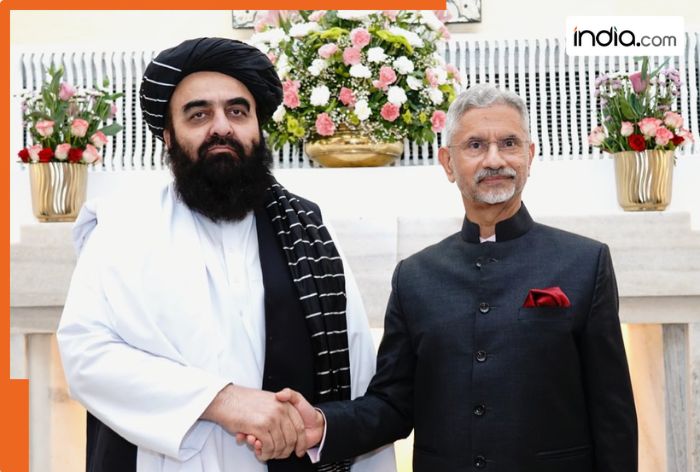
In a significant shift that could reshape trade dynamics in South Asia, India has commenced the export of a range of medicines to Afghanistan, dealing a major blow to Pakistan's pharmaceutical sector. The move follows a series of restrictions imposed by the Taliban government, effectively closing a crucial market for Pakistani pharmaceutical companies. As tensions mount, both the business and political spheres in Pakistan are closely monitoring the ongoing developments regarding cross-border commerce with Afghanistan.
The Taliban's recent regulations have severely limited the import of various healthcare products from Pakistan, an economy that historically relied on Afghanistan as a vital market for its pharmaceuticals. With the renewed relationship between India and Afghanistan, especially in the area of medical supplies, the Pakistani pharmaceutical industry is now facing a daunting challenge. Reports indicate that Indian companies have begun supplying essential medicines, which could potentially satisfy the growing healthcare needs in Afghanistan, particularly in regions affected by economic instability.
This recent development is particularly concerning for Shehbaz Sharif's government, which has been striving to enhance economic ties with neighboring countries to bolster trade. With Afghanistan's healthcare market now shifting towards India, the cabinet is reportedly mobilizing efforts to recalibrate its approach to trade relations in order to mitigate the fallout. "We need to reevaluate our strategies to ensure that our pharmaceutical sector remains competitive," stated a senior official in Pakistan's trade ministry, emphasizing the urgency of the situation.
Analysts suggest that this shift not only reflects the changing political landscape but also raises questions about the long-term sustainability of businesses relying on Afghan imports. Pakistani pharmaceutical firms, already facing financial pressures, now find themselves grappling with a double blow: lost exports and growing competition from Indian manufacturers. The implications extend beyond economics, affecting the overall employment landscape in Pakistan’s healthcare manufacturing sector, which has seen a significant decline in demand.
As the Taliban government solidifies its control over Afghanistan, the likelihood of long-term trade restrictions poses an ongoing challenge for Pakistan. Industry leaders in Lahore have voiced concerns over the future viability of traditional trade routes. With consumer preferences in Afghanistan slowly pivoting toward Indian products, the pressure mounts on Pakistani firms to innovate and adapt. The government’s response will be crucial in determining the future trajectory of this crucial economic relationship.
In addition to the pharmaceutical landscape, politicians in Pakistan are increasingly worried about the potential for increased influence of Indian soft power in Afghanistan. With India actively engaging in humanitarian initiatives, such as medical aid, the regional balance of power may be shifting in ways that could undermine traditional Pakistani interests.
In this evolving scenario, the Pakistani government is under pressure to reassess foreign relations and trade policies with both Afghanistan and India. As the country navigates these choppy waters, the impacts on its pharmaceutical sector are likely to resonate beyond borders, forcing a reevaluation of its approach to international commerce. Consequently, the path forward will not only determine the fate of its pharmaceutical exports but also shape the broader economic landscape of South Asia.