Silchar Votes: Historic Municipal Corporation Polls Kick Off
In a highly anticipated municipal election, a total of 131 candidates are vying for power across 40 wards in the city. The election, which promises to be fiercely contested, will see voters casting their ballots at 303 designated polling stations across the municipal corporation area. The election is set to
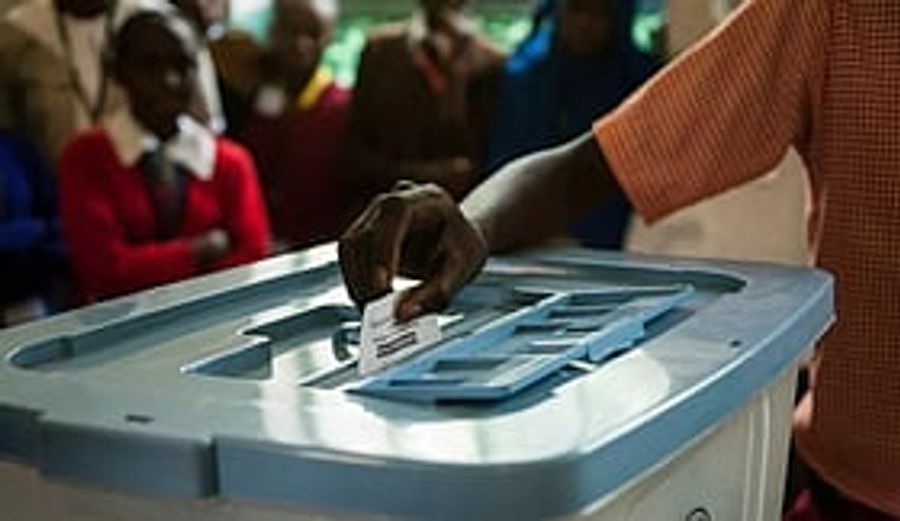
It was a crisp winter morning in Silchar, the bustling capital of Cachar district in Assam, as the city stirred to the sound of election fervor. The air was electric, charged with anticipation, as 131 candidates from various parties and independent outfits stood poised to test their mettle in the historic municipal corporation polls. The stage was set for a battle royal, with voters from 40 wards across the city set to exercise their franchise at 303 designated polling stations. As the electoral machinery whirred into action, Silchar's residents were abuzz with excitement, their minds racing with the prospect of choosing their new municipal leaders. For many, this election was not just about electing representatives, but about shaping the future of their city, about making a difference in the lives of those around them.
The background to this election was complex, a tapestry woven from the threads of politics, power, and social dynamics. Silchar, a city of over 200,000 people, had grown exponentially in recent years, driven by economic growth and migration. The influx of people from neighboring states had put a strain on the city's infrastructure, leading to concerns over housing, sanitation, and waste management. The municipal corporation, once a relatively efficient and effective body, had become increasingly politicized, with various parties vying for control. The result was a city in disarray, with crumbling roads, overflowing drains, and a general sense of neglect.
At the heart of the election was the struggle for power, a battle between rival parties and factions. The ruling Bharatiya Janata Party (BJP) was fielding a strong candidate, a charismatic young leader with a reputation for getting things done. The opposition, led by the Congress Party, was equally determined, with a seasoned politician at the helm. Meanwhile, a host of smaller parties and independent candidates were also in the fray, each seeking to make their mark. The city's residents, caught in the middle of this power struggle, were eager to see change, to see their voices heard.
The campaign had been intense, with candidates crisscrossing the city, meeting voters, and promising the moon. The airwaves were filled with election-related advertisements, as parties and candidates sought to outdo each other in a bid for attention. Social media was abuzz with election chatter, as voters shared their thoughts, opinions, and predictions. The city's streets were plastered with colorful posters, each one proclaiming the candidate's vision for Silchar. The atmosphere was electric, with a sense of excitement and anticipation hanging in the air.
As the day of the election dawned, the city was transformed into a sea of voters, each one eager to exercise their franchise. Polling stations were bustling with activity, as voters lined up, eager to cast their ballots. The atmosphere was tense, with a sense of anticipation hanging in the air. As the votes were counted, the city held its breath, waiting to see which party would emerge victorious. The results, when they came, would be a reflection of the city's aspirations, its hopes, and its fears.
The city's residents, meanwhile, were watching the election with bated breath. For them, this election was not just about choosing leaders, but about shaping the future of their city. They had seen the impact of poor governance, the neglect and decay that had taken hold of Silchar. They were determined to see change, to see their city transformed into a thriving, prosperous hub. As they cast their ballots, they were thinking not just of themselves, but of their children, their families, and their community.
The municipal corporation polls in Silchar were a momentous occasion, a chance for the city's residents to shape their destiny. The election was a reflection of the city's aspirations, its hopes, and its fears. As the votes were counted, the city held its breath, waiting to see which party would emerge victorious. The results, when they came, would be a testament to the power of democracy, a reminder that the people had spoken, and that their voices would be heard.
The election was also a reminder of the city's diversity, its complex social dynamics. Silchar was a city of many cultures, many languages, and many faiths. The election was a reflection of this diversity, a testament to the city's ability to come together, to find common ground, and to work towards a common goal. As the city looked to the future, it was clear that this election was just the beginning, a first step towards a brighter, more prosperous tomorrow.
Also Read
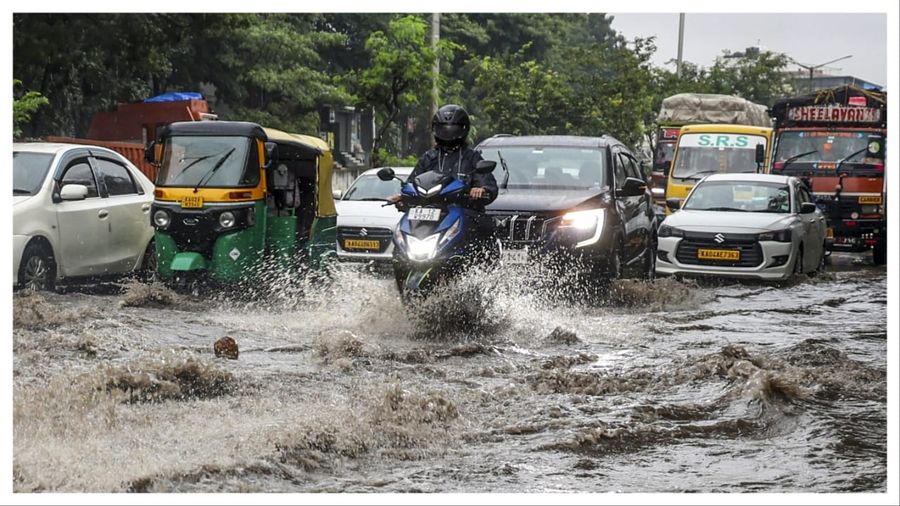
भारत में तेज हवाएं और बारिश की चेतावनी, कई राज्यों पर निगरानी
मौसम विभाग ने कई राज्यों में बारिश, बिजली के चमकने और तेज हवाएं चलने की भविष्यवाणी की है। दिल्ली, उत्तर प्रदेश, महाराष्ट्र, केरल, कर्नाटक, ओडिशा, पूर्वोत्तर भारत सहित विभिन्न क्षेत्रों में मौसम की ताज़ा जानकारी प्राप्त करें। आगे के दिनों में बारिश के लिए क्या है भविष्यवाणी, यह भी जानने
---
The results of the municipal corporation polls in Silchar were a closely watched affair, with all eyes on the city as the votes were counted. The opposition Congress Party had put up a strong challenge, but in the end, it was the ruling BJP that emerged victorious, with a majority of seats in the municipal corporation. The party's candidate, the charismatic young leader, had won the hearts of many, with his vision for Silchar's development and his commitment to good governance.
The opposition, while disappointed, was philosophical, acknowledging that the people had spoken. They vowed to continue their struggle, to work towards a better future for Silchar. Meanwhile, the winning party was jubilant, with celebrations erupting across the city. The party's leaders were effusive in their praise, thanking the voters for their support and promising to work tirelessly for the city's development.
As the dust settled, the city's residents began to reflect on the significance of the election. For many, it was a moment of triumph, a chance to see change, to see their city transformed into a thriving, prosperous hub. The municipal corporation polls had been a reminder of the power of democracy, a testament to the people's ability to come together, to find common ground, and to work towards a common goal.
The election had also highlighted the city's social dynamics, its complex cultural landscape. Silchar was a city of many cultures, many languages, and many faiths. The election had been a reflection of this diversity, a testament to the city's ability to come together, to find common ground, and to work towards a common goal. As the city looked to the future, it was clear that this election was just the beginning, a first step towards a brighter, more prosperous tomorrow.
The municipal corporation polls in Silchar had also had a significant impact on the city's economy. The election had brought a sense of uncertainty, with many businesses and investors waiting to see which party would emerge victorious. The winning party's victory had brought a sense of relief, with many businesses and investors now more confident about the city's future.
The election had also highlighted the city's infrastructure challenges, its need for better roads, sanitation, and waste management. The winning party had promised to address these issues, to work towards a better future for Silchar. The city's residents, meanwhile, were watching with bated breath, eager to see the party's plans come to fruition.
The municipal corporation polls in Silchar had been a historic occasion, a momentous event in the city's history. The election had been a reminder of the power of democracy, a testament to the people's ability to come together, to find common ground, and to work towards a common goal. As the city looked to the future, it was clear that this election was just the beginning, a first step towards a brighter, more prosperous tomorrow.
The city's residents, meanwhile, were already looking ahead, thinking about the next election, the next opportunity to shape their destiny. They knew that the municipal corporation polls were just the beginning, a first step towards a brighter, more prosperous future. They were determined to continue their struggle, to work towards a better future for Silchar, a future where their city would thrive, prosper, and grow.