Opposition Slams AAP Govt's One-Day Special Sessions as 'Theatre of Mockery' and 'Propaganda'
Opposition parties in Punjab have criticized the Aam Aadmi Party (AAP) government for conducting brief and ceremonial Assembly sessions. They allege that this practice undermines democratic norms and accountability while failing to address critical issues such as law and order and development. The opposition emphasizes the need for more substantial
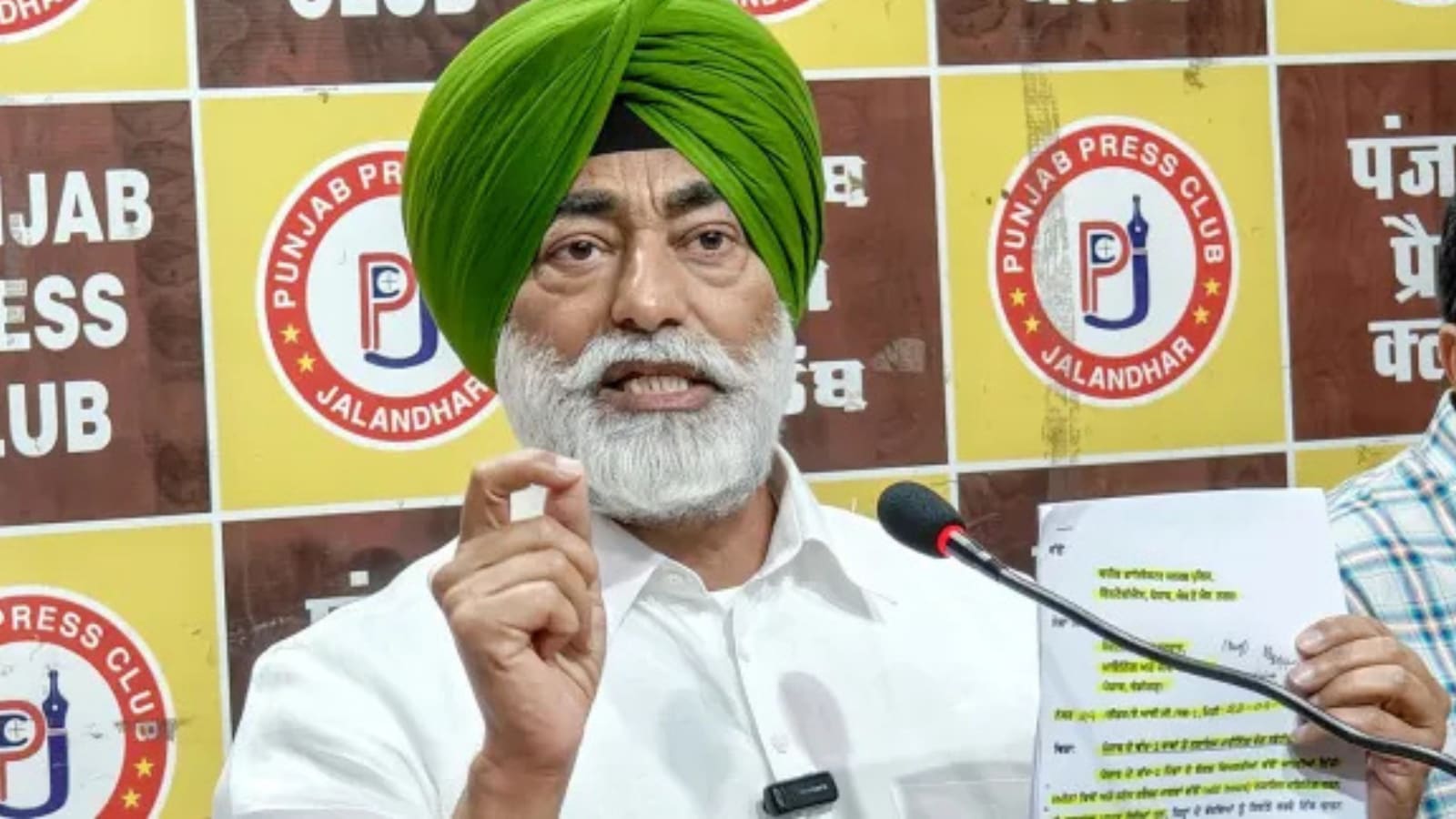
In a scathing critique of the Aam Aadmi Party (AAP) government, opposition parties in Punjab have decried the recent one-day special Assembly sessions as "meaningless" and a "theatre of mockery." This session, held in Chandigarh, has drawn widespread condemnation for its limited agenda and lack of substantive discussion on pressing state issues such as law and order, healthcare, and infrastructure development.
The brief session, which was intended to showcase the government's legislative actions, instead left many opposition leaders questioning the sincerity of the AAP's commitment to democratic norms. Senior leader from the Shiromani Akali Dal, Amrik Singh, stated, "These sessions feel more like a propaganda exercise than genuine efforts to address the concerns of our citizens." His remarks resonate with a growing sentiment among party members, who argue that the sessions serve more to bolster the government's image than to engage in meaningful governance.
Critics point out that the Punjab Assembly has convened on several occasions for one-day sessions this year alone, raising eyebrows about the effectiveness of such an approach. They argue that these moments could be better utilized to deliberate on critical matters affecting the state, particularly those impacting public safety and economic development. Opposition spokesperson, Charanjit Singh, emphasized this point, noting, "We're in a time of crisis. People are facing challenges daily, and instead of attending to their needs, the government puts on a show."
Moreover, the AAP administration's choice to highlight ceremonial functions over rigorous debates is seen as indicative of a broader reluctance to engage in the gritty realities of governance. Law enforcement officials have recently experienced backlash over rising crime rates, yet the government has avoided substantial discussions on law and order reform. This has prompted frustration among the electorate who seek accountability and proactive measures.
The discontent is echoed in grassroots movements within Punjab, where citizens express skepticism about the government's handling of vital state issues. Amidst this backdrop, the opposition parties are calling for more substantial legislative sessions that focus on the real challenges facing the state. They have urged the AAP government to prioritize the daily realities of the average citizen over political theatrics.
In response to the opposition outcry, AAP leadership has defended the special session format, arguing that it allows for quick legislative actions when necessary. However, critics remain unconvinced. As one local educator put it, “People want real solutions, not just a staged performance.” This sentiment reflects a widespread desire for genuine engagement rather than superficial displays of governance.
As the debate intensifies, it remains to be seen how the AAP government will respond to the mounting pressure for accountability. With elections on the horizon, both the government and opposition will undoubtedly ramp up their efforts to sway public opinion. For now, the focus remains on the effectiveness and sincerity of parliamentary proceedings in Punjab as a fundamental aspect of democratic governance.