Kentucky Eyes Major Nuclear Power Project Transition
The Nuclear Company unveiled plans for Prosperity One in Kentucky, a campus potentially housing up to six Westinghouse AP1000 reactors. This project could establish America's largest nuclear power plant, reaching approximately 6.6 GW capacity.
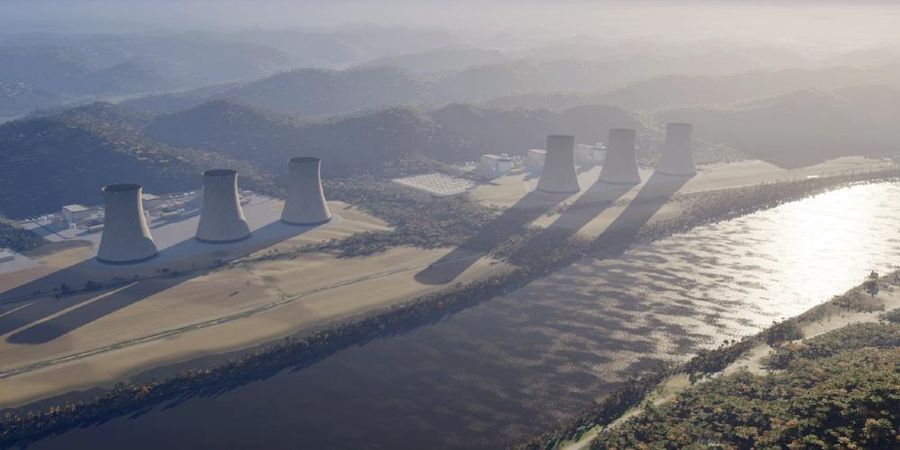
The Nuclear Company has formally unveiled plans for a significant energy infrastructure project in Kentucky, centered around a campus designated for Prosperity One. This development proposes the construction of up to six Westinghouse AP1000 reactors, a scale that, if realized, would position the facility as America's largest nuclear power plant, boasting an estimated capacity of around 6.6 gigawatts.
This proposal marks a substantial pivot for the state's energy landscape, moving from a current status of zero operational nuclear reactors to hosting a major, high-capacity power generation facility. The AP1000 design is recognized for its advanced safety features, aligning with contemporary energy standards and addressing growing national demands for reliable, low-carbon baseload power.
The context for this ambition lies within the ongoing national conversation about energy security and decarbonization. As the United States seeks to balance grid stability with climate commitments, large-scale, dispatchable clean energy sources like nuclear power are being re-evaluated for their role in the future energy mix.
The potential impact on Kentucky would be multifaceted, involving significant investment in regional energy infrastructure, job creation within the skilled technical sectors, and a substantial contribution to the national power grid's clean energy portfolio, provided the regulatory and financing hurdles associated with such a large-scale nuclear undertaking can be successfully navigated.
Also Read

रश्मिका मंदाना ने पति पर दिए बयान की विस्तृत जानकारी
रश्मिका मंदाना की आलोचना पर विजय देवरकोंडा ने ट्रोलर्स को कड़ा जवाब दिया है। दोनों ने मिलकर साइबर क्राइम के तहत कानूनी कार्रवाई की है।
The potential development of Prosperity One in Kentucky carries significant implications for the nation's energy landscape. Achieving a 6.6 GW capacity would position this facility as the largest nuclear power plant in the United States, fundamentally altering regional and national power generation profiles. This scale of nuclear deployment addresses growing demands for reliable, baseload power, a critical component as the energy sector navigates transitions towards decarbonization while maintaining grid stability.
The possible impact extends beyond mere energy output. Such a large-scale nuclear project could catalyze substantial economic activity within the state, driving job creation in construction, operation, and related supply chains. Furthermore, it offers a pathway for Kentucky to solidify its role in advanced energy infrastructure, attracting further investment in related technologies and expertise.
Moving forward, scrutiny will naturally focus on the regulatory milestones, financing structures, and the timeline for construction commencement. Stakeholders, including federal regulators, state environmental bodies, and the Nuclear Company itself, will be key indicators of progress. The next phase requires detailed environmental impact assessments and definitive agreements on site licensing.
What to watch next involves the formal progression through the necessary permitting stages and the finalization of project financing. Any concrete announcements regarding regulatory approval or definitive construction schedules will provide the clearest indication of whether Prosperity One transitions from a plan to a reality, reshaping America's nuclear energy footprint.