India Takes Bold Step Towards Ambitious Nuclear Energy Goals
The SHANTI Bill, 2025, aims to support India's nuclear energy expansion by streamlining regulatory processes and ensuring safety standards. It is particularly relevant for locations like Kaiga and Tarapur, which host significant nuclear power plants. The bill is intended to enhance energy security and promote sustainable development in the country. By facilitating the growth of nuclear energy, it aligns with
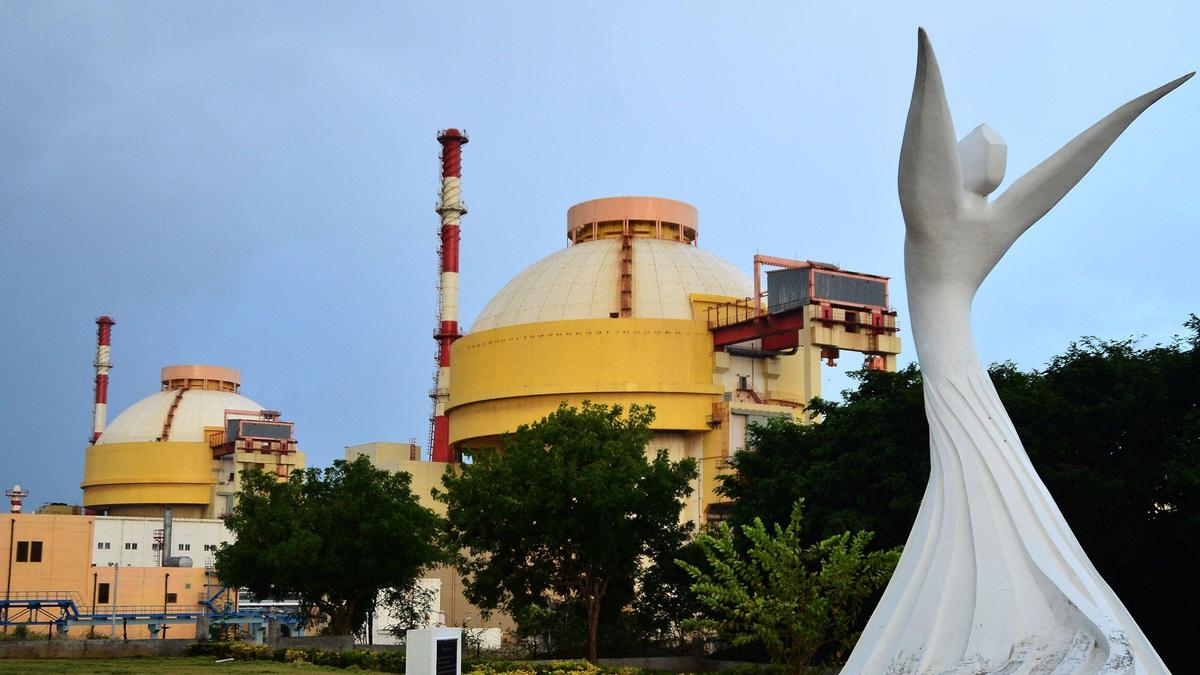
In a significant move for India's energy landscape, the Centre has introduced the SHANTI Bill, 2025, aimed at bolstering nuclear energy expansion across the nation. This legislation seeks to simplify regulatory processes and fortify safety standards, particularly impacting regions like Kaiga in Karnataka and Tarapur in Maharashtra, which are home to some of the country's pivotal nuclear power plants.
The SHANTI Bill is positioned as a strategic initiative to enhance India’s energy security while promoting sustainable development. As the demand for electricity continues to rise, especially with increasing urbanisation and industrial growth, the bill provides a pathway to accelerate the deployment of nuclear power, which is considered a clean and efficient energy source. By streamlining the regulatory framework, the government hopes to attract investments, reduce project delays, and enable a more compliant approach to safety.
Kaiga, located near the Kali River in Karnataka, is already a hub for nuclear energy, housing four operational power reactors. Local officials have expressed optimism that the new bill will facilitate advancements in renewable energy generation alongside nuclear projects, helping to diversify the energy mix in the region. “With the SHANTI Bill, we expect not just growth in nuclear energy but also wider energy accessibility for our communities,” said Sharanappa, a local energy official.
Similarly, Tarapur, which hosts India’s oldest nuclear power station, is gearing up for expansion that could be catalysed by the new legislation. The proposal includes mechanisms for more comprehensive assessments of environmental impacts, thereby reassuring local residents about safety concerns that often accompany nuclear projects. Active involvement of community stakeholders will be essential in this process to lift potential apprehensions associated with nuclear energy development.
One of the more ambitious aspects of the SHANTI Bill is its commitment to integrate modern technology to ensure high safety standards. Enhanced training for personnel and adoption of advanced monitoring systems are outlined to protect both workers and the surrounding communities from potential hazards. This focus on safety aligns with global best practices and reflects a commitment to responsible energy generation.
The bill has also sparked discussions among environmentalists and activists. While many support the growth of nuclear energy as a solution to climate change, concerns remain about the long-term handling of nuclear waste and the implications for local ecosystems. Balancing these diverse perspectives will be crucial as the government moves forward with implementing the provisions of the SHANTI Bill.
In conclusion, the SHANTI Bill, 2025 aims to position India as a leader in nuclear energy while addressing the nation’s growing energy needs. Its implications reach far beyond regulatory frameworks and investment landscapes, touching the lives of residents in areas like Kaiga and Tarapur, and highlighting the complex interplay between energy security and environmental stewardship. As discussions continue and the bill progresses, the future of India's energy sector stands poised for transformation, with clear implications for the everyday consumer.