Handloom and powerloom saris distinguished by five key factors
Distinguishing between handloom and powerloom saris requires understanding key differences in weave and texture. Consumers can identify these variations through specific physical and structural checks.
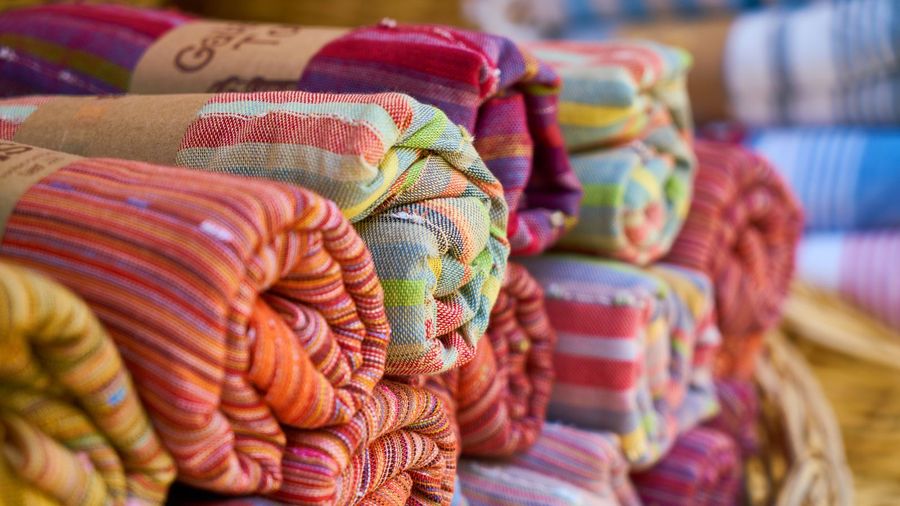
The distinction between handloom and powerloom saris is crucial for conscious consumers seeking authenticity, as the methods of weaving fundamentally alter the fabric's texture, drape, and value. Handloom sarees, crafted by skilled artisans on traditional looms, are characterized by a unique, slightly uneven texture and a distinct hand-feel that machine-made counterparts often lack. In contrast, powerloom sarees utilize mechanized looms, resulting in a more uniform, often sharper weave and a consistent finish that appeals to mass market demand.
This difference is not merely aesthetic; it speaks to the economic livelihood of countless weavers across India. Handloom weaving supports traditional crafts and sustains rural economies, whereas the rise of powerlooms has impacted the artisanal sector, leading to concerns over job displacement and the dilution of traditional textile knowledge. Understanding these nuances empowers buyers to make choices that support sustainable, ethical production over purely cost-driven purchasing.
Identifying the genuine article requires close inspection beyond just the price tag. Key differentiators include examining the thread ends—handloom often shows subtle variations in tension—and assessing the overall drape, which tends to be softer and more organic in handloom pieces. Furthermore, the weight distribution and the presence of slight, natural imperfections are hallmarks of human craftsmanship, not machine precision.
For the consumer, knowing these five ways to tell them apart—focusing on weave irregularity, thread texture, drape quality, and the inherent feel—is an act of informed consumption. This knowledge ensures that the purchase reflects not just a garment, but a tradition, a skill, and a direct support for India's vast network of textile artisans.
Also Read

IND बनाम PAK: पाकिस्तान 200 पार, 4 विकेट गिरे
पाकिस्तान ने भारत के खिलाफ 4 विकेट खोकर 200 से अधिक का स्कोर बनाया है। मैच में टॉस के फैसले पर विवाद और हर्षित राणा की गेंदबाजी ने माहौल को गरमा दिया है।
The distinction between handloom and powerloom textiles carries significant economic and cultural weight within the Indian textile landscape. Handloom production directly supports millions of artisans, particularly in rural and marginalized communities, preserving traditional weaving techniques passed down through generations. Conversely, powerloom production, while contributing to mass availability and affordability, often involves mechanized processes that can dilute the unique craftsmanship and regional identity embedded in authentic handloom pieces. This difference is not merely aesthetic; it represents a socio-economic choice for the consumer, supporting livelihoods versus industrial scale.
The potential impact of consumer awareness is substantial. Increased demand for verifiable handloom products can bolster the economic resilience of artisan clusters, ensuring sustainable income rather than precarious, low-wage employment. Furthermore, it helps counteract the proliferation of imitation goods that misrepresent the value and labor involved in genuine handloom creation. This market shift can incentivize younger generations to adopt and sustain traditional weaving practices, preventing the erosion of invaluable textile heritage.
Moving forward, the critical focus must remain on transparency and certification. Consumers should look beyond mere claims and seek established authentication markers, where available, to ensure genuine purchases. Industry bodies and consumer advocacy groups are expected to continue efforts in standardizing labeling and traceability across the supply chain. The next phase of this conversation will likely revolve around digital verification tools and enhanced market access for authentic handloom weavers, ensuring that the value of their intricate work is reflected accurately in the final price paid by the buyer.