Gig Workers' Strike May Disrupt New Year’s Eve Celebrations Across India
Gig workers across India plan a nationwide strike on New Year's Eve, which could lead to significant delays and cancellations in food delivery and transport services in the Delhi-NCR region. The strike aims to draw attention to the workers' demands for better wages and working conditions. As the celebration period
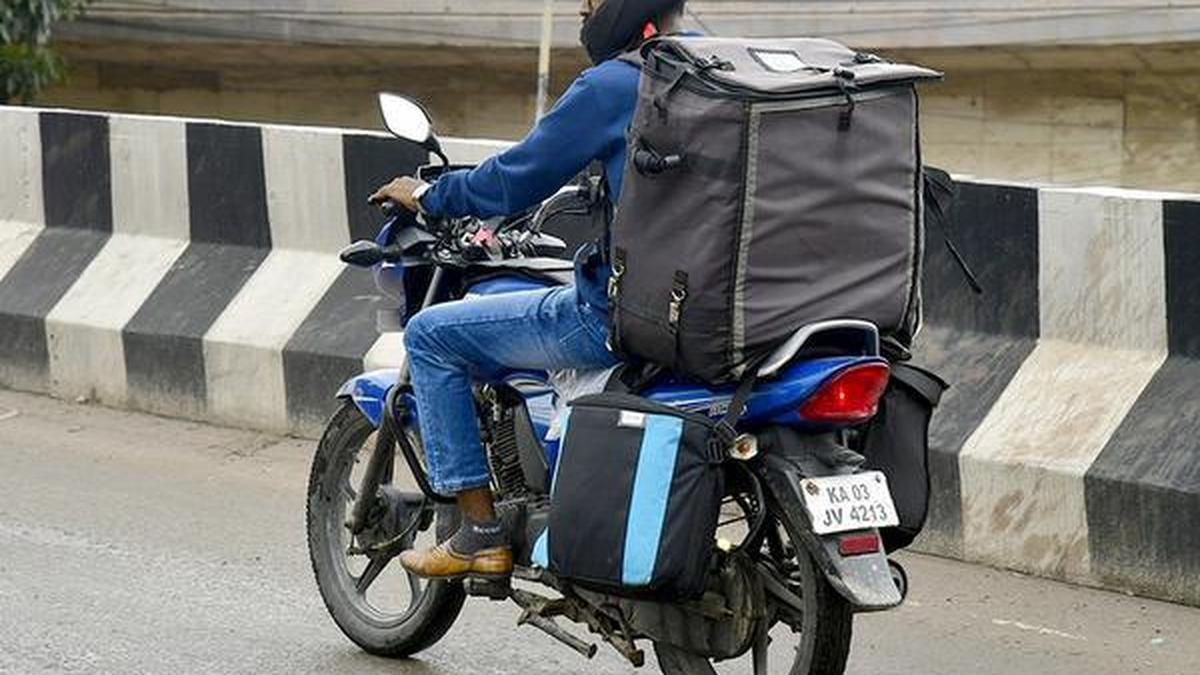
As New Year's Eve approaches, gig workers across India are gearing up for a nationwide strike that threatens to disrupt celebrations in major cities, particularly the Delhi-NCR region. With deliveries of food and transportation services at stake, the strike aims to spotlight the workers' demands for better wages and improved working conditions. This action comes as the festive season typically witnesses a surge in gig economy employment, making the workers' grievances all the more pertinent.
The ongoing strike, organized by various labor unions representing gig workers, is expected to see participation from thousands across the country. In Delhi alone, where the demand for food delivery and ride-hailing services skyrockets during the holiday period, the impact could be particularly pronounced. Many gig workers report feeling undervalued, earning wages that do not reflect the long hours they invest. "We are the backbone of the festive economy," said Rajesh Mehta, a food delivery worker in Delhi. "Yet our struggles are ignored. We simply want fair pay for our hard work."
Activists have pointed out that gig workers, despite being essential to modern urban life, often lack basic rights and protections afforded to traditional employees. Many gig jobs do not provide social security benefits, health insurance, or paid leave, leaving workers vulnerable during times of illness or economic downturns. This strike underscores a growing movement among gig workers to demand better standards and fighting for rights that have been overlooked for too long.
In anticipation of the strike, several gig economy companies are preparing for potential disruptions. Notably, customers have been advised to order earlier than usual for meals and transport, as service availability may be heavily impacted. Restaurants and event organizers are also feeling the pressure, with concerns rising about how cancellations and delivery delays could tarnish the celebratory spirit of New Year's Eve. Local establishments are reportedly making contingency plans to mitigate losses should delivery services falter.
Authorities in the region have been monitoring the situation closely, as road traffic is bound to increase with private vehicle use in the absence of ride-hailing services. The Delhi Traffic Police has issued warnings, encouraging residents to make alternative transportation arrangements ahead of the anticipated strike. Public transport services, including buses and the metro, can expect an influx of passengers as commuters seek to navigate the festive scene without the aid of app-based transport.
As the strike date approaches, the affected workers remain hopeful that their actions will lead to a meaningful dialogue with employers and policymakers. The outcome of this strike may resonate beyond New Year's Eve celebrations, advocating for broader reforms within the gig economy. Many workers believe that fair compensation and better working conditions will not only improve their livelihoods but will also enhance the quality of service enjoyed by consumers.
With the strike threatening to cast a shadow over New Year festivities in Delhi and beyond, the plight of gig workers has never been more visible. Their demands, rooted in the quest for dignity and respect, signal a transformation in the narrative of modern labor, emphasizing the need for recognition in an ever-evolving economy.