SGLT2 Inhibitors Aid Chronic Kidney Disease in Elderly Patients
SGLT2 inhibitors show benefits for geriatric patients with chronic kidney disease, irrespective of advanced age. These medications are proving effective for frail adults with Type 2 Diabetes and remain underutilized.
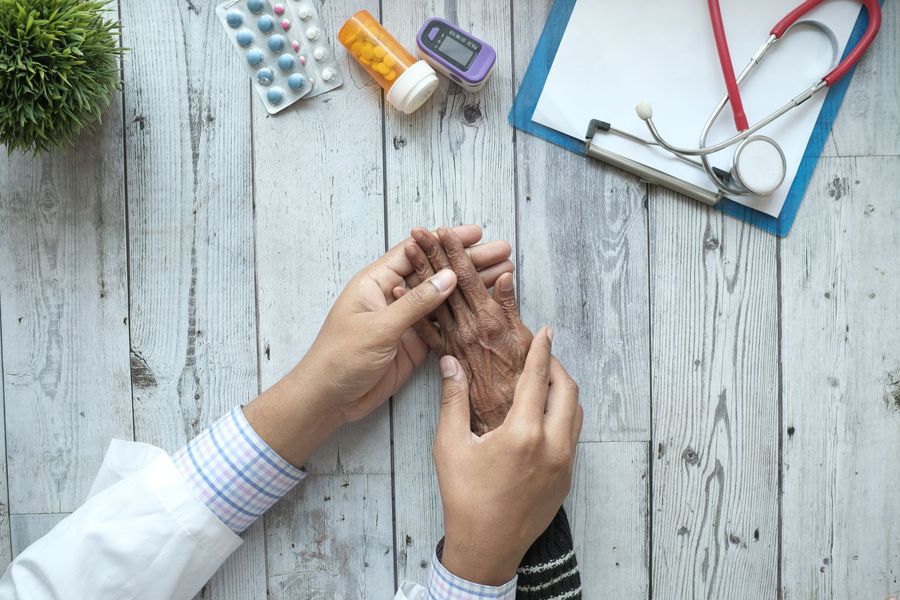
Recent medical findings highlight a significant benefit of SGLT2 inhibitors for geriatric patients suffering from chronic kidney disease, challenging the assumption that advanced age precludes their efficacy. These medications are demonstrating positive outcomes even in frail adults managing Type 2 Diabetes, suggesting that age itself is not a definitive barrier to their therapeutic benefit. The research underscores that the advantages of SGLT2 inhibition extend across various stages of chronic kidney disease, irrespective of the patient's advanced age.
Chronic kidney disease, particularly in the elderly population, presents complex management challenges, often complicated by frailty and comorbidities. Historically, treatment protocols for this demographic have been conservative, sometimes leading to underutilization of newer, evidence-based therapies. The data presented indicates that SGLT2 inhibitors offer a tangible protective and beneficial effect on kidney function in this vulnerable group, moving beyond standard diabetes management to address renal health directly.
The current underutilization of these agents among geriatric patients with Type 2 Diabetes and CKD is a critical gap in clinical practice. Given the established benefits shown in recent studies, there is a clear imperative for healthcare providers to integrate SGLT2 inhibitors into the standard care pathway for this population. This shift promises improved renal outcomes and potentially better quality of life for older adults facing chronic kidney impairment.
This development emphasizes the need for clinical guidelines to be updated to reflect the robust evidence supporting SGLT2 inhibitors in geriatric nephrology, ensuring that frail adults can access this effective treatment rather than being limited by age-based assumptions.
Also Read

मोनोलिथिक इंडिया का Q2 FY27 में रिकॉर्ड प्रदर्शन, राजस्व 88% बढ़ा, लाभ 145% उछला
मोनोलिथिक इंडिया ने वित्तीय वर्ष 27 की दूसरी तिमाही में रिकॉर्ड प्रदर्शन दर्ज किया है। राजस्व में 88.2% की वृद्धि, ईबीआईटीडीए में 192.2% और लाभ में 145.1% की बढ़ोतरी हुई।
The demonstrated efficacy of SGLT2 inhibitors in geriatric patients suffering from chronic kidney disease carries significant implications for geriatric nephrology and diabetes management in India. This finding challenges the assumption that advanced age inherently negates the benefits of these agents, suggesting a need to re-evaluate current prescribing patterns within frail adult populations. Given that these medications are currently accessible only through paid health insurance plans, the immediate impact is bifurcated: those with coverage stand to gain improved renal and metabolic outcomes, while those reliant on public healthcare face continued access barriers.
The potential impact extends beyond individual patient care to broader public health strategy. If these drugs prove beneficial across various stages of CKD in the elderly, there is a strong clinical rationale for their wider, subsidized availability. Underutilization among this vulnerable demographic represents a missed opportunity to slow disease progression, reduce hospitalization rates associated with renal complications, and improve overall quality of life for older adults managing Type 2 Diabetes.
Moving forward, critical areas to monitor include real-world evidence from diverse Indian geriatric cohorts, not just those within controlled clinical trials. Furthermore, regulatory and insurance bodies must address the access disparity. Stakeholders, including geriatricians, nephrologists, and policymakers, need to advocate for inclusion of SGLT2 inhibitors in standard public health benefit packages. The next phase requires translating clinical proof into equitable patient access to realize the full benefit of this therapeutic advancement.