"Exiled Awami Leaders: External Anti-India Forces Trying to Disrupt Bangladesh Elections"
Leaders of Bangladesh's Awami League in exile have accused external anti-India forces of attempting to incite violence to disrupt the upcoming elections in Bangladesh. They expressed concerns about foreign interference as a significant threat to the electoral process. The statements come in light of rising tensions ahead of the elections
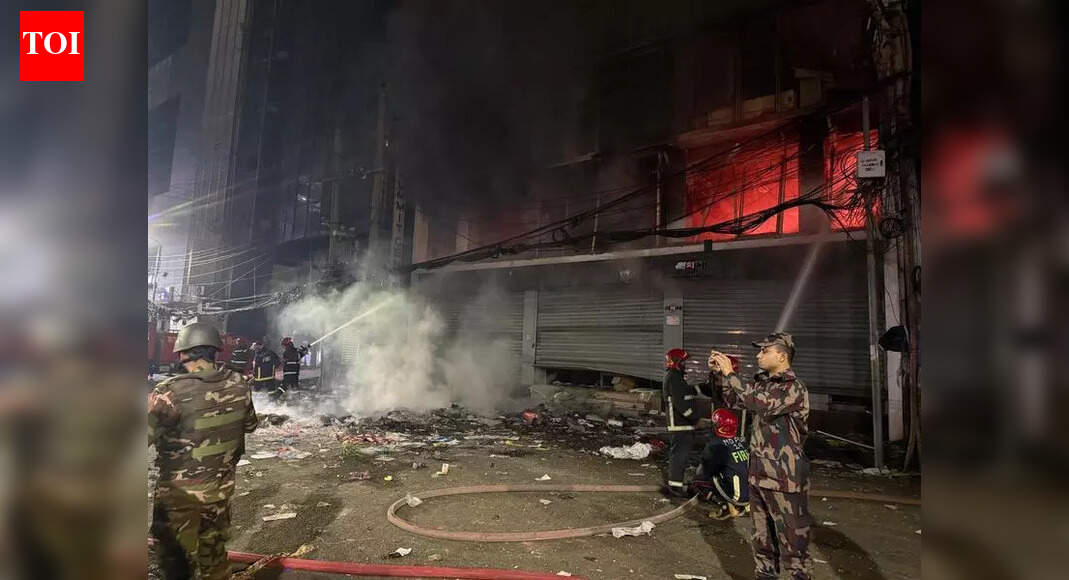
Leaders of the Awami League in exile have raised alarm over what they describe as external anti-India forces intent on sowing discord and violence to disrupt the impending parliamentary elections in Bangladesh. As the nation braces for a pivotal electoral showdown, these concerns underscore the potential for heightened political tensions.
In a virtual press conference held from London, prominent Awami League leaders articulated their fears about the growing influence of foreign powers aiming to destabilize the electoral landscape. They claimed that these external entities are working to undermine both the democratic process in Bangladesh and the robust relationships it shares with its neighboring country, India. "These forces want to see chaos as they play their games from afar," stated one leader, emphasizing the urgent need for vigilance among the Bangladeshi populace.
Tensions in Bangladesh have been mounting as the country approaches the elections scheduled for early next year. The Awami League, led by Prime Minister Sheikh Hasina, has been in power since 2009, effectively transforming the political dynamics in the region. Allegations of foreign interference are not new; however, the current political climate has made these claims particularly poignant as opposition parties mobilize their supporters ahead of the polls. Criticism of the incumbent government’s handling of issues such as the economy and human rights has been amplified by rival factions, further complicating the political landscape.
According to the exiled leaders, several incidents of violence have already begun to surface, which they attribute to orchestrated efforts by these external forces. They referenced previous elections, where unrest was evident, suggesting that past patterns are resurfacing. The fear is that if such violence continues, it could dissuade voters from participating, thereby skewing the results in favor of anti-establishment parties.
Analysts suggest that the rhetoric coming from the Awami League leaders reflects a broader narrative where rising geopolitical tensions could inadvertently affect domestic politics. The accusations of foreign meddling, especially against a backdrop of strained Indo-Pak relations and growing Chinese influence in South Asia, could encourage unanticipated alliances or rivalries within Bangladeshi politics.
In addition to the concerns raised about external intervention, the leaders acknowledged the need for a united front among Bangladeshi citizens to ensure a peaceful electoral process. "It is now more crucial than ever for our people to stand together, to safeguard our democracy," one speaker urged.
As the nation anticipates the elections, it remains to be seen how these unfolding narratives will shape public opinion and the eventual electoral outcomes. The atmosphere is charged with uncertainty, and vigilance remains paramount for both political leaders and the electorate. With the stakes high, the upcoming months will be critical for Bangladesh's political future as it endeavors to navigate these complex challenges while safeguarding its sovereignty and democratic principles.