Ebola vaccine trial launched in DR Congo to combat deadly virus outbreak
The Democratic Republic of the Congo has launched the Tumaini vaccine trial to test cross-protection against the Bundibugyo virus. The study evaluates the existing Ervebo vaccine alongside new experimental candidates to enhance regional immunity.
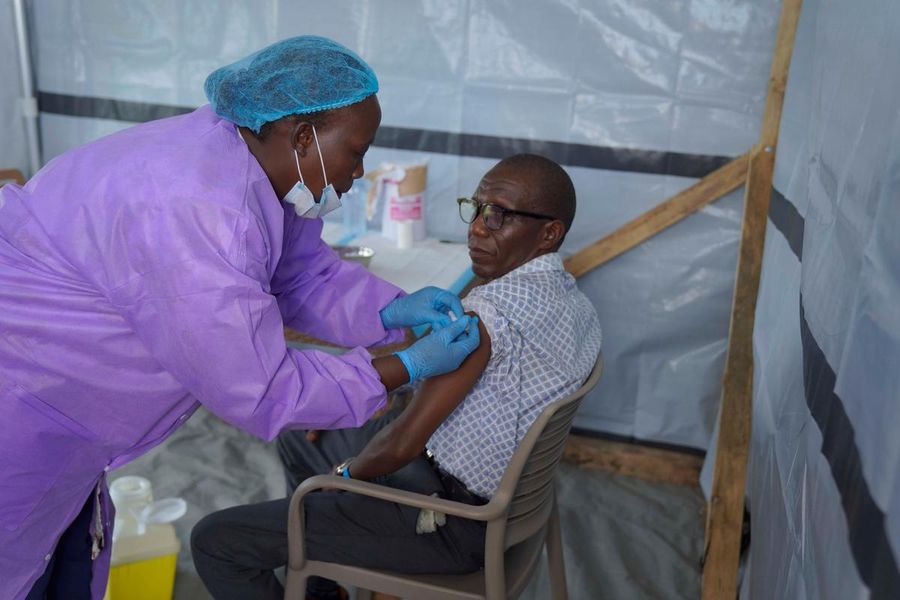
Democratic Republic of the Congo has officially commenced the Tumaini vaccine trial, a critical clinical study aimed at fortifying the nation’s defenses against deadly hemorrhagic fevers. This ambitious scientific endeavor focuses on evaluating cross-protection against the Bundibugyo virus, one of the species of the Ebola virus that has historically caused devastating outbreaks across East Africa. While the global community has seen success in deploying the Ervebo vaccine specifically against the Zaire strain, the Bundibugyo variant remains a persistent threat with limited preventative measures currently available. The trial seeks to determine if the existing Ervebo vaccine, or newly developed experimental candidates, can provide a broader umbrella of immunity to protect vulnerable regional populations.
The background of this initiative is rooted in the DRC’s tragic history as a hotspot for viral hemorrhagic diseases. Over the last decade, the country has faced repeated and large-scale Ebola outbreaks that have strained already fragile healthcare infrastructure and resulted in thousands of fatalities. The Bundibugyo virus, first identified in the late 1990s in Uganda, is characterized by high mortality rates and the ability to spread rapidly through remote communities. By launching the Tumaini trial, health authorities and researchers are moving to bridge the gap in current medical protocols, ensuring that future responses are not merely reactive but proactive in the face of viral evolution.
The impact of this trial cannot be overstated for both the local population and the global biosecurity landscape. If the study successfully demonstrates significant cross-protection, it could provide a definitive blueprint for managing multiple strains of Ebola without the need for separate vaccines for every variant. For the people of the DRC, this represents a vital step toward permanent health security and the reduction of the constant fear associated with recurring epidemics. As the first participants are enrolled, the international scientific community is watching closely, as the findings could fundamentally redefine the strategies for eradicating some of the world's most dangerous pathogens.
Also Read

उत्तर कोरिया बनाए दुनिया की सबसे शक्तिशाली सेना, परमाणु हथियार और हाइपर्सोनिक मिसाइलों से है तैय
उत्तर कोरियाई नेता किम जोंग उन ने प्योंगयांग में सैन्य बैठक में सेना को दुनिया की सबसे शक्तिशाली सेना बनाने का निर्देश दिया। इस बैठक का उद्देश्य विश्वस्तरीय सैन्य बल तैयार करने की योजना विकसित करना था।
The launch of the Tumaini trial in the Democratic Republic of the Congo represents a strategic shift from reactive outbreak management to proactive regional biosecurity. While the Ervebo vaccine has been instrumental in curbing Zaire ebola outbreaks, the presence of the Bundibugyo virus remains a persistent threat that often evades current narrow-spectrum interventions.By testing for cross-protection, researchers are attempting to build a broader immunological shield that can safeguard populations against multiple filoroviruses simultaneously. This is particularly significant because the DRC is a geographical hotspot for viral hemorrhagic fevers, and a vaccine that only targets one specific strain provides a false sense of security while leaving the population vulnerable to devastating variants that could emerge at any time.
The potential impact of this study extends far beyond clinical data, touching upon the core of global health equity. If the experimental candidates demonstrate effective cross-immunity, it could drastically reduce the logistical burden of deploying multiple different strain-specific vaccine campaigns during an active crisis. Furthermore, the trial serves as a blueprint for conducting complex research in high-risk environments where infrastructure is fragile and security concerns pose constant challenges. A successful outcome would provide a scalable model for addressing other emerging pathogens in sub-Saharan Africa, potentially turning the DRC into a global hub for viral disease research and preventative medicine.
Moving forward, the scientific community must monitor the long-term durability of the immune response generated by these new candidates to determine if frequent boosters will be required. Observers should also watch for shifts in community engagement levels, as public trust remains the primary determinant of vaccine success in remote Congolese provinces. Additionally, international health bodies will be looking for data on whether these new vaccines can navigate the complex regulatory hurdles of approving a vaccine that claims efficacy against multiple distinct viruses. The success of this trial will dictate whether the world can move from a cycle of fighting fires to a strategy of permanent fire prevention.