Russia's Maria Zakharova Warns Dollar Weaponisation Threatens BRICS' Financial Freedom
In a candid interview, Maria Zakharova, Russia's Director of the Information and Press Department, sheds light on India's "human-centric" approach to BRICS, revealing a strategic shift from dollar dependence. Zakharova attributes India's stance to the "weaponisation" of the US dollar, highlighting the need for de-dollarisation. This move, she says, aligns
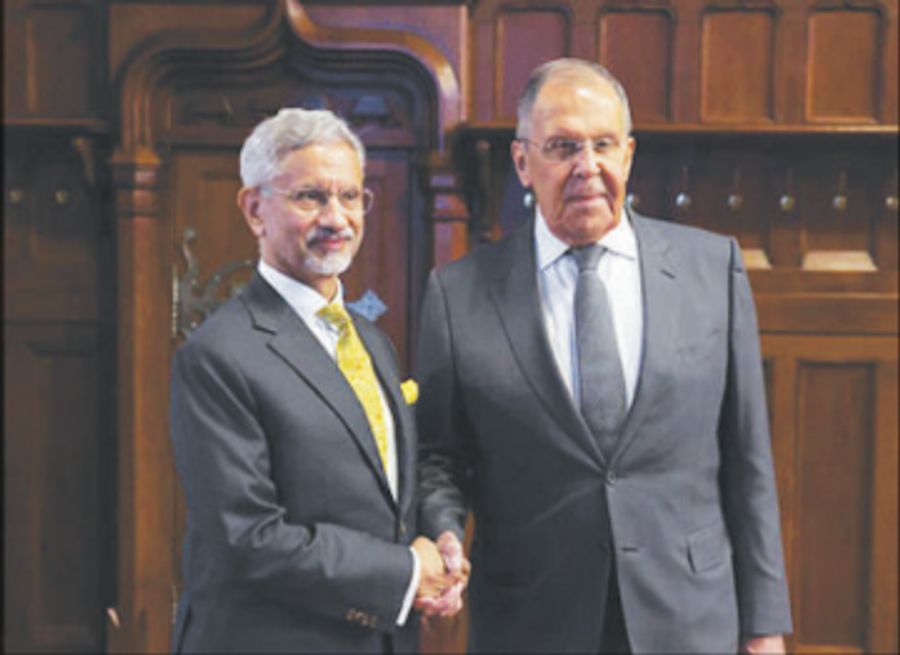
It was a chilly winter morning in Moscow when I sat down with Maria Zakharova, Russia's Director of the Information and Press Department, in her office at the Ministry of Foreign Affairs. The soft glow of the morning sun peeking through the window cast an otherworldly light on her sharp features, as she embarked on a candid conversation that would reveal the intricacies of a global economic shift. Her words dripped with a sense of urgency, as she spoke of the "weaponisation" of the US dollar and the imperatives of de-dollarisation. The stakes were high, and the world was watching, as India's stance on BRICS - the association of five major emerging economies - marked a significant departure from the traditional dollar-centric approach. Zakharova's words would shed light on the strategic thinking behind this shift, and the implications for the global economy.
The context was set against the backdrop of a world struggling to come to terms with the new global order. The rise of the BRICS nations - Brazil, Russia, India, China, and South Africa - was a stark reminder of the shifting balance of power. The BRICS nations had been working towards creating an alternative to the dollar-dominated financial system, one that would give them greater autonomy and flexibility. But the US dollar, with its unparalleled influence and reach, had long been the linchpin of global finance. Zakharova's remarks would reveal the contours of a new era, one where the dollar's grip on the global economy was beginning to loosen.
The roots of India's "human-centric" approach to BRICS lay in its own economic development, Zakharova explained. India's rise as a major economic power had been fueled by its own innovative solutions, often at odds with the traditional dollar-centric approach. The Indian government had been working towards creating a more inclusive economy, one that prioritized the needs of its citizens. Zakharova saw this approach as a strategic shift, one that would allow India to break free from the shackles of dollar dependence. The BRICS nations, with their shared commitment to multilateralism and cooperation, had become a natural platform for India to explore this vision.
Zakharova's words were laced with a sense of irony, as she spoke of the dollar's "weaponisation". The term, she explained, referred to the US government's use of the dollar as a tool of economic coercion, to further its own interests. The dollar's dominance had allowed the US to exert significant influence over global finance, often to the detriment of other nations. Zakharova argued that this approach was not only morally reprehensible but also economically unsustainable. The BRICS nations, with their combined economic heft, were determined to break free from this dollar-centric straitjacket.
The stakes were high, as the BRICS nations worked towards creating an alternative financial system. The dollar's grip on the global economy was not just a matter of economics; it was also a matter of geopolitics. The US had long used its economic influence to shape global events, often to its own advantage. The BRICS nations, with their shared vision of a more equitable global order, were determined to challenge this status quo. Zakharova's words would reveal the contours of a new era, one where the BRICS nations would play a more significant role in shaping the global economy.
As our conversation drew to a close, Zakharova's words lingered in my mind. The dollar's "weaponisation" was a powerful metaphor, one that captured the essence of a global economic shift. The BRICS nations, with their shared vision of a more inclusive and equitable global order, were determined to break free from the shackles of dollar dependence. India's "human-centric" approach to BRICS marked a significant departure from the traditional dollar-centric approach, one that would have far-reaching implications for the global economy.
The implications of Zakharova's words were far-reaching, as the world struggled to come to terms with the new global order. The BRICS nations, with their combined economic heft, were poised to play a more significant role in shaping the global economy. The dollar's grip on the global economy was beginning to loosen, as the BRICS nations worked towards creating an alternative financial system. Zakharova's words had shed light on the strategic thinking behind this shift, and the imperatives of de-dollarisation.
Also Read

राजस्थान: पेंगुइन इंडिया ने सोनिया गांधी की किताब छापने से पीछे हटने के पीछे दबाव की बात कही: अश
राजस्थान के पूर्व मुख्यमंत्री अशोक गहलोत ने दावा किया है कि भारत में सोनिया गांधी की किताब के प्रकाशन पर पेंगुइन इंडिया का कदम विदेशी दबाव के कारण हो सकता है। गहलोत ने सवाल उठाया है कि किताब के मूल प्रकाशक क्यों विश्व स्तर पर इसकी रिलीज़ की तैयारी कर
The implications of Zakharova's words were not limited to the economic sphere. The dollar's "weaponisation" had significant geopolitical implications, as the US used its economic influence to shape global events. The BRICS nations, with their shared vision of a more equitable global order, were determined to challenge this status quo. Zakharova's words would reveal the contours of a new era, one where the BRICS nations would play a more significant role in shaping global politics.
Expert perspectives on the matter were varied, but one thing was clear: the dollar's grip on the global economy was beginning to loosen. The BRICS nations, with their combined economic heft, were poised to play a more significant role in shaping the global economy. The implications of Zakharova's words were far-reaching, as the world struggled to come to terms with the new global order. The BRICS nations, with their shared vision of a more inclusive and equitable global order, were determined to break free from the shackles of dollar dependence.
The BRICS nations were not just a group of emerging economies; they were a force to be reckoned with. Their combined economic heft was significant, and their shared vision of a more equitable global order was compelling. The dollar's "weaponisation" was a powerful metaphor, one that captured the essence of a global economic shift. The BRICS nations, with their determination to break free from dollar dependence, were poised to challenge the status quo.
The implications of Zakharova's words were not limited to the economic sphere. The dollar's "weaponisation" had significant geopolitical implications, as the US used its economic influence to shape global events. The BRICS nations, with their shared vision of a more equitable global order, were determined to challenge this status quo. Zakharova's words would reveal the contours of a new era, one where the BRICS nations would play a more significant role in shaping global politics.
The BRICS nations were not just a group of emerging economies; they were a force to be reckoned with. Their combined economic heft was significant, and their shared vision of a more equitable global order was compelling. The dollar's "weaponisation" was a powerful metaphor, one that captured the essence of a global economic shift. The BRICS nations, with their determination to break free from dollar dependence, were poised to challenge the status quo.
The implications of Zakharova's words were far-reaching, as the world struggled to come to terms with the new global order. The BRICS nations, with their combined economic heft, were poised to play a more significant role in shaping the global economy. The dollar's grip on the global economy was beginning to loosen, as the BRICS nations worked towards creating an alternative financial system. Zakharova's words had shed light on the strategic thinking behind this shift, and the imperatives of de-dollarisation.
The future was uncertain, but one thing was clear: the world was on the cusp of a major economic shift. The BRICS nations, with their shared vision of a more inclusive and equitable global order, were determined to break free from the shackles of dollar dependence. The dollar's "weaponisation" was a powerful metaphor, one that captured the essence of a global economic shift. The BRICS nations, with their determination to challenge the status quo, were poised to shape the future of global finance.