DM Orders Salary Cuts for Absent Employees in [Relevant City/State]
In a recent directive, the District Magistrate (DM) announced that salaries of employees who are absent from work without valid justification will be deducted. This decision aims to enhance accountability and ensure better attendance in government offices. The initiative is significant for improving efficiency in local administration, particularly in [insert relevant district or city], where employee absenteeism has been a
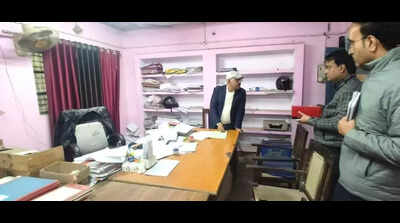
In a decisive move to bolster accountability within local governance, the District Magistrate (DM) of Ghaziabad has announced a directive that mandates the deduction of salaries for government employees who are absent without valid justification. This initiative aims to improve attendance and efficiency in government offices, which have been facing challenges related to employee absenteeism.
The announcement, made during a press conference at the DM's office on Monday, is a response to the rising trend of unexcused absences among staff, which has impeded the smooth functioning of administrative services. The DM highlighted that such absenteeism affects not only service delivery but also public trust in the government system. “We need to ensure that our employees are present and accountable to the citizens they serve. It is essential for the effective functioning of the administration,” the DM said.
Ghaziabad has long struggled with issues related to employee attendance, particularly in departments dealing with public services and welfare schemes. This new directive is seen as a proactive measure to tackle these persistent problems and is expected to create a more disciplined work environment. Employees will now be required to provide valid reasons for any absence, failing which their salaries will be subject to deductions.
Local residents have welcomed the decision, expressing hopes that it will lead to improved public services. “Too often have we found ourselves delayed in getting basic services because of absenteeism in government offices. This step by the DM could change the landscape of local administration,” said Priya Sharma, a resident of Ghaziabad. Community members believe that enhanced accountability could lead to faster processing of applications, clearer communication, and a more responsive administrative framework.
The DM's directive does not only focus on punitive measures but also plans to implement a monitoring system that tracks attendance patterns among employees. The administration will be exploring the use of biometric systems to ensure accurate recording of attendance and to discourage any misuse of leave policies. The initiative not only aims to instil discipline but also promotes a culture of responsibility within government departments.
Government employees, however, have expressed mixed reactions to the new directive. Some fear that the strict measures might not account for genuine absences due to health or emergencies. There is an underlying concern about how the implementation of salary deductions will affect motivation and morale among workers. “While accountability is important, a rigid approach could also demotivate those who genuinely need occasional leaves,” remarked a junior office assistant who preferred to remain anonymous.
As this policy rolls out, its impact on government efficiency and employee morale will be closely observed. The DM has assured that the administration will remain open to feedback and make necessary adjustments to the policy based on its reception among the workforce.
For the residents of Ghaziabad, this administrative move signifies a potential improvement in the delivery of government services they rely on daily. The implications of this directive are likely to resonate well beyond the immediate impact of salary deductions, pointing towards a future of enhanced governance and public accountability.