"Credit Score Needed for Card Approval: 7 Tips to Boost Your Score in 2026"
Starting in 2026, a credit score of 750 or above is considered ideal for credit card approval in India. Scores between 700 and 750 typically result in approval, while scores of 650 and above may qualify applicants for basic cards. To enhance credit scores, individuals are advised to pay bills
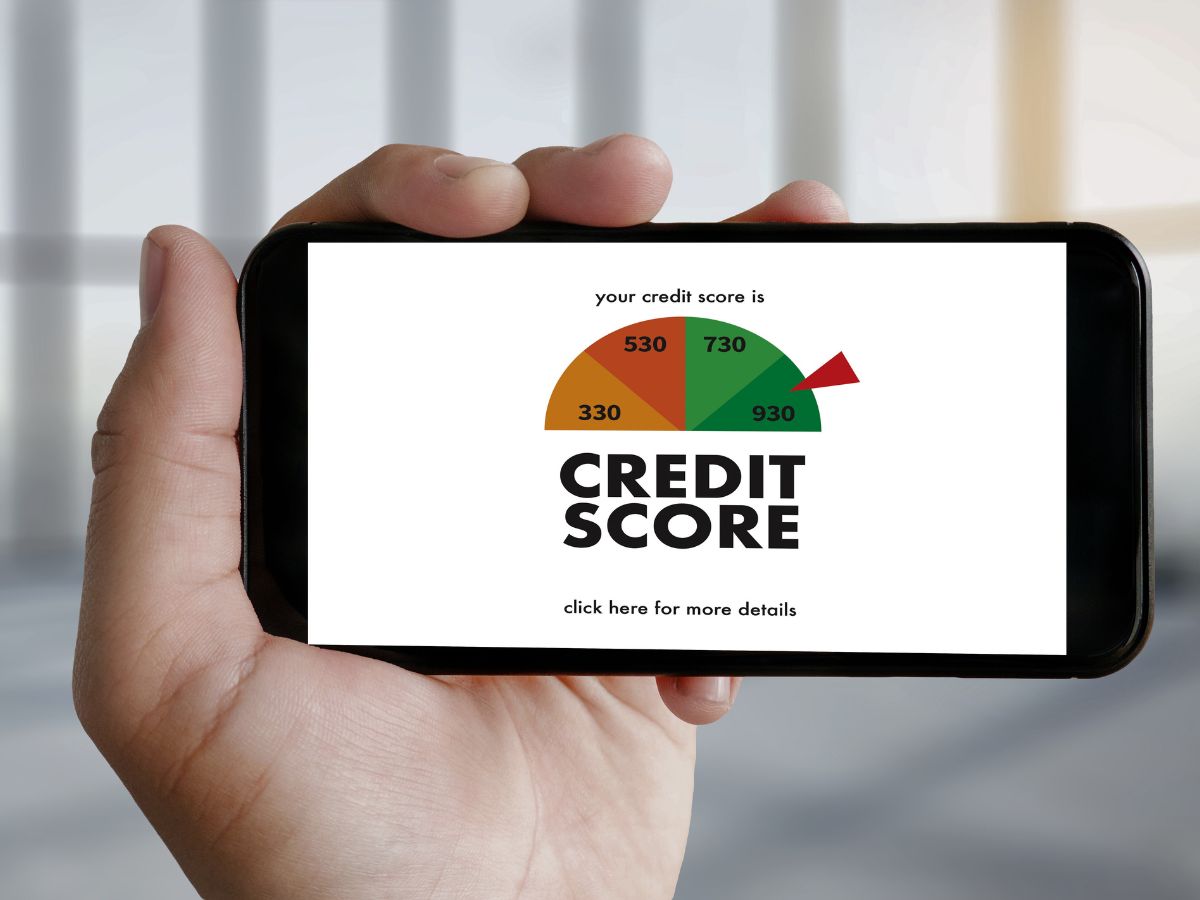
In a significant shift in the financial landscape, the year 2026 is set to bring new standards for credit card approvals in India. Financial experts and institutions have established that a credit score of 750 and above will be ideal for applicants looking to secure credit cards. With the increasing reliance on credit for purchasing goods and services, improving one’s credit score has never been more critical.
Under the new guidelines, individuals with scores ranging between 700 and 750 will likely find approval for credit cards, while those falling within the 650 to 700 range may still qualify but will have access only to basic cards. This change is expected to encourage financial discipline and responsibility among consumers. According to Ramesh Gupta, a financial advisor based in Mumbai, “A good credit score is essential not just for credit card approvals but also for loans and mortgages in the future.”
To help consumers navigate this evolving credit landscape, experts are advocating several strategies for enhancing credit scores. One of the primary recommendations is the timely payment of bills, which is foundational in building a strong credit history. Regular and punctual payments demonstrate financial reliability and can significantly boost a credit score over time.
Additionally, maintaining a low credit utilization ratio is crucial. Ideally, experts suggest that individuals should keep their credit utilization below 30% of their total available credit. This indicates to lenders that the applicant is not overly reliant on credit, thereby enhancing their score. Furthermore, avoiding multiple credit inquiries within a short period can protect one’s score. When prospective lenders conduct hard inquiries, it may signal financial distress, potentially impacting score ratings adversely.
Another effective strategy for improving one’s credit score is diversifying credit types. Including a mix of secured loans, unsecured loans, and credit cards can present a well-rounded credit profile. However, it is essential for individuals to manage these credit types responsibly, as mishandling can lead to detrimental effects on their scores. In the digital age, consumers can also leverage various online tools and apps that provide insights into their credit scores and offer suggestions for improvement.
For individuals looking to enhance their creditworthiness, it may be beneficial to obtain a secured credit card. These cards require a cash deposit that serves as collateral, allowing individuals with lower scores to build or rebuild their credit history effectively. Over time, responsible use of such cards can improve an applicant’s eligibility for regular credit cards.
As the financial landscape evolves, so must the mindset of consumers. With the right strategies in place, individuals can navigate these changes and position themselves favorably for future credit opportunities. The importance of a strong credit score is increasingly paramount, and as India moves towards these updated guidelines in 2026, consumers are urged to take proactive measures now to safeguard their financial futures.