Bengaluru Metro Pink Line Launches First Driverless Train: When Can You Ride?
The arrival of the train marks the beginning of an extensive testing cycle focused on evaluating key systems such as braking, signalling compatibility, and communication-based train control. This process is essential for ensuring the train operates safely and efficiently. Detailed assessments will be conducted over the coming period to ensure
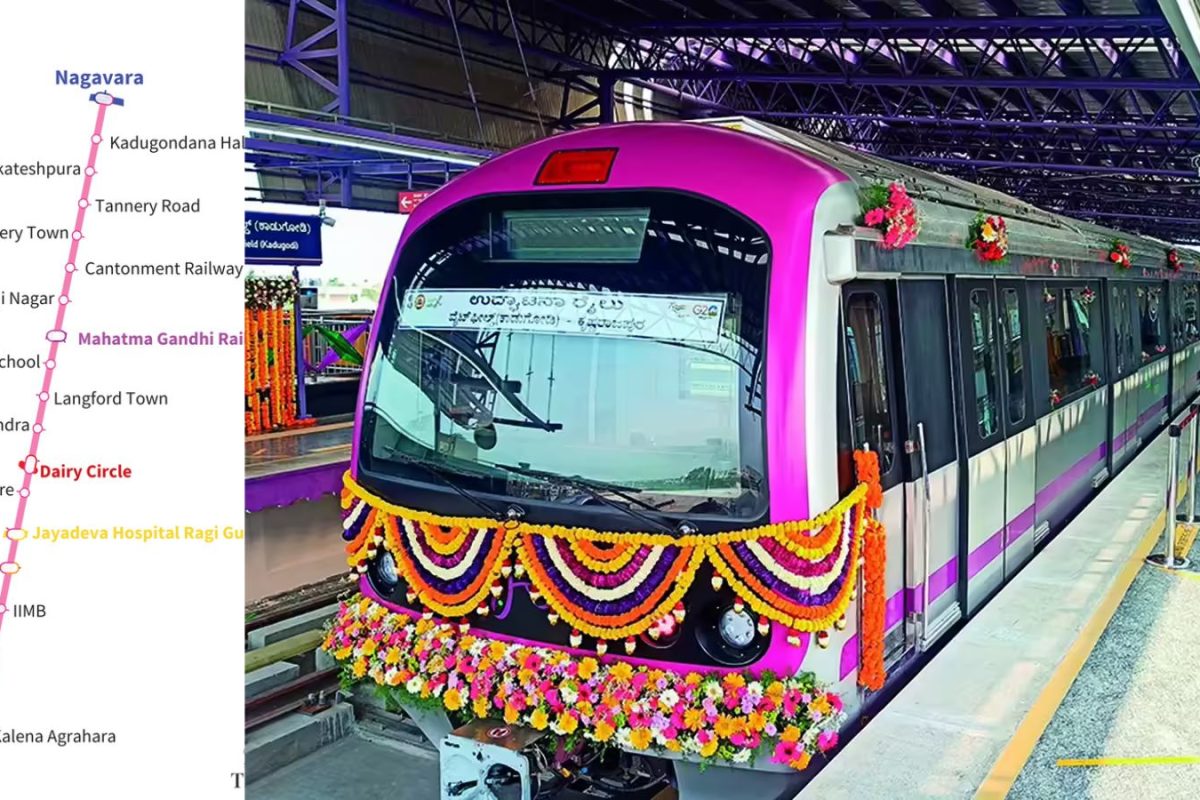
Bengaluru's transport system has taken a significant leap forward with the arrival of the first driverless train on the much-anticipated Pink Line of the Bengaluru Metro. This innovative development marks the commencement of an extensive testing phase, crucial for ensuring that the new trains can operate safely and efficiently for the commuters of India’s tech hub.
The newly introduced train is equipped with state-of-the-art technology that promises to revolutionize urban commuting in the city. Over the next several weeks, the focus will shift to meticulously testing key systems, including braking mechanisms, signalling compatibility, and advanced communication-based train control systems. These assessments are designed to simulate a variety of operational scenarios, ensuring that every aspect of the train's performance meets rigorous safety standards. Bengaluru Metro Rail Corporation officials have stated that a thorough evaluation is necessary before the train can be deemed ready for public service.
“The introduction of this driverless train is a significant milestone for Bengaluru's metro system. Our goal is to enhance safety and efficiency while reducing commuting time for our passengers,” said Ramesh Kumar, an official with the Bengaluru Metro Rail Corporation. This ambitious project aligns with the state's broader push toward modernizing public transport infrastructure, reducing congestion, and promoting sustainable travel options within the rapidly urbanizing city.
As the Pink Line continues its pre-launch preparations, commuters eagerly await the day they can experience the benefits of a driverless metro service. The government has outlined a timeline for further testing and eventual public roll-out, although a specific launch date has yet to be confirmed. Current projections suggest that if all goes well during the testing phase, the Pink Line could be open for public use by late this year or early next year.
The driverless train is expected to operate with a frequency that will significantly ease the flow of passengers in one of India’s busiest metropolitan areas. The Pink Line, which will connect key areas within Bengaluru, aims to serve millions of daily commuters while reducing travel times significantly. In conjunction with existing lines, this expansion will enhance the overall efficiency of the metro network, providing a reliable alternative to road transport.
As Bengaluru gears up for this transition, the driverless train initiative is not just about technological advancement; it is also about envisioning a future where mass transit caters to the needs of a growing population while prioritizing safety and reliability. The overall response from city officials and transportation experts has been positive, and many are optimistic that this advancement will foster further innovations in public transport across India.
With the successful implementation of the driverless train, Bengaluru is poised to set a precedent in the realm of urban rail transport, paving the way for more cities to follow suit. As preparations continue and testing unfolds, the wait for this modern commuting experience slowly draws closer to fruition.