Bank of Japan Raises Interest Rates to 30-Year High, Hints at Further Increases
On December 19, the Bank of Japan raised interest rates to levels not seen in 30 years, indicating a shift away from its long-standing policy of substantial monetary support and near-zero borrowing costs. The central bank signaled its readiness for potential further rate hikes in the future. This decision reflects
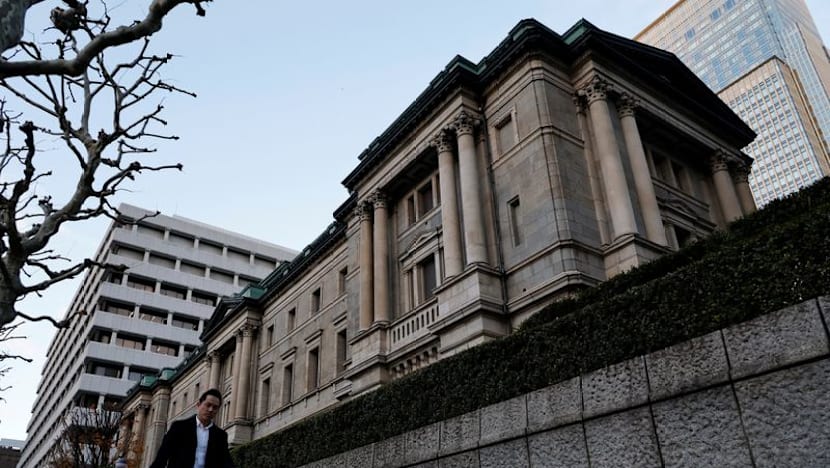
The Bank of Japan (BoJ) has raised interest rates to a 30-year high, a significant shift that marks the end of an era marked by expansive monetary policies and virtually zero borrowing costs. The decision, announced on December 19, underscores a growing concern about inflationary pressures and a strategic pivot towards tightening fiscal measures. Initially celebrated in global financial markets, the hike introduces a new chapter in Japan’s economic landscape, prompting analysts to weigh both immediate impacts and future implications.
In a historic vote, the BoJ increased its benchmark interest rate by 0.25 percentage points, bringing it to 0.75%. This marks the first rate hike since 2008, when the bank began its policy of negative interest rates and asset purchases aimed at stimulating a sluggish economy. Economists had long anticipated a shift in strategy, noting Japan's persistent inflation rates over the past year, which have consistently surpassed the BoJ’s target of 2%. The central bank's newfound stance suggests a move towards addressing inflationary challenges more proactively.
“The shift in policy reflects our commitment to stabilizing prices,” said financial analyst Kenji Matsumoto. “It’s a necessary adjustment after years of ultra-loose monetary policy that has created imbalances in the economy.” With consumer prices in Japan rising at an annual rate of over 3%, the bank's latest move illustrates policymakers' growing urgency to manage inflation, which many fear could spiral out of control if not addressed promptly.
Moreover, the decision by the BoJ sends ripples through global financial markets, as investors and analysts closely watch how this shift will play out. Japan's economy, often seen as a barometer for global economic health, could influence international interest rates and investment strategies. While some investors are optimistic about future stability, others express concern that the rate hike may stifle economic growth amid ongoing global uncertainties.
The announcement also came with a signal from the BoJ that more rate hikes could be on the horizon. Bank officials indicated that they remain vigilant and prepared to adjust policy further should inflation persist. This flexibility not only indicates the central bank's readiness to respond to economic indicators but also reflects a cautious optimism about future growth prospects. As taken by a cautious tone in their communications, the BoJ aims to balance the risks of inflation against the potential ramifications for economic growth.
As Japan navigates this unprecedented transition, the domestic response reveals a mixture of apprehension and hope. Some sectors of the economy, particularly real estate and consumer goods, may feel the pinch of higher interest rates, impacting borrowing costs and investment decisions. Yet, some economists argue that a relatively higher rate environment could encourage savings and prudent financial behavior among consumers, ultimately benefiting the economy in the long run.
In this transformative moment for Japan’s financial policy, the impact of the BoJ's decision will unfold over the coming months. As the nation adapts, the shift aims to recalibrate the balance between inflation control and economic growth, marking a pivotal point in Japan’s financial narrative.