Apple Set to Unleash AI Revolution in China After Regulatory Nod
Apple Inc. is poised to launch a tailored version of its AI platform in mainland China this December, marking a significant milestone in the tech giant's efforts to navigate China's complex regulatory landscape. Following a series of collaborations with local technology firms, Apple has successfully overcome key hurdles to bring
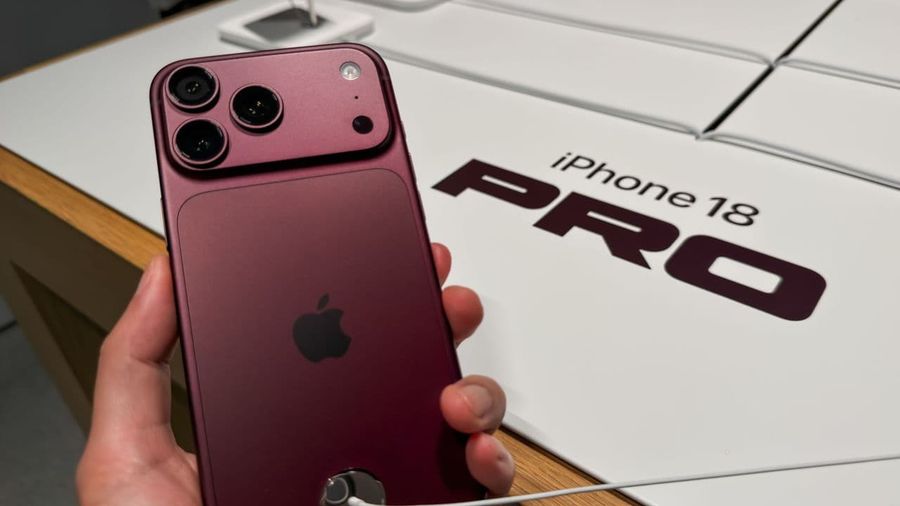
It was a chilly autumn morning in the bustling city of Shenzhen, where the air reeked of freshly brewed coffee and the hum of innovation hung heavy over the sprawling metropolis. Amidst this whirlwind of creativity, a sense of anticipation coursed through the veins of tech enthusiasts, entrepreneurs, and policymakers alike. They had all been waiting for what felt like an eternity – the moment when the world's most valuable company, Apple Inc., would finally unleash its groundbreaking AI revolution upon the mainland Chinese market.
The news had been circulating for months, whispers of a clandestine collaboration between Apple and some of China's most influential tech titans. It was an alliance that had been years in the making, with Cupertino's most skilled engineers working tirelessly behind the scenes to craft an AI solution tailored to the unique needs of the Chinese consumer. And now, with the regulatory green light finally in place, the countdown to the launch had begun.
At the heart of this historic moment lay the intricate dance between regulatory approval and technological innovation. Apple had spent countless hours navigating the complex web of China's bureaucratic landscape, negotiating with government officials and industry leaders to ensure that its cutting-edge AI platform met the stringent requirements of the mainland Chinese market. It was a delicate balancing act, with Apple needing to balance its commitment to innovation with the demands of a government keen to regulate the flow of data and technology within its borders.
One of the key stakeholders in this intricate drama was none other than Li Qiang, the Director of the Cyberspace Administration of China (CAC). A stalwart champion of digital sovereignty, Li had been instrumental in shaping China's AI regulations, working closely with industry leaders to create a framework that would protect the country's sensitive data while still allowing for the free flow of innovation. His efforts had not gone unnoticed, with Apple's CEO, Tim Cook, personally thanking Li for his support in a private meeting at the company's Cupertino headquarters.
As the launch date drew closer, the excitement among Apple's Chinese partners grew. Companies like Huawei, Xiaomi, and Oppo had all been working closely with Cupertino's engineers to integrate the new AI platform into their respective products. It was a move that would not only elevate the user experience but also cement their position as market leaders in the increasingly competitive Chinese tech landscape. For consumers, the implications were nothing short of revolutionary – a world where smart devices could learn and adapt to their needs, where AI-powered assistants could anticipate and respond to their every whim.
But amidst the fanfare, there were also whispers of concern. Some experts warned of the potential risks associated with the widespread adoption of AI, from job displacement to data security breaches. Others questioned the motivations behind Apple's sudden interest in the Chinese market, speculating that the company's true intentions lay in securing access to the vast pool of Chinese talent and resources. As the launch date drew near, these questions would only continue to simmer, waiting to be addressed by Apple's leadership.
As the sun dipped below the horizon, casting a golden glow over the city, the anticipation among Apple's Chinese partners only grew. They knew that the stakes were high, that the success or failure of this AI revolution would have far-reaching implications for the tech industry as a whole. And yet, they were undaunted, driven by a shared vision of a future where technology and humanity coexisted in perfect harmony.
The countdown had begun, with just a few weeks left until the launch. As the world watched with bated breath, one thing was clear – the fate of Apple's AI revolution in China would be decided in the coming months, a testament to the power of innovation and the unwavering commitment of a company that had always pushed the boundaries of what was possible.
Also Read

Sachin Katti to Depart OpenAI, Leaving Legacy of Compute Expansion
Sachin Katti, a key architect behind OpenAI's significant compute expansion, has announced his departure from the company. As the leader of this major initiative, Katti played a crucial role in advancing OpenAI's capabilities. His contributions will undoubtedly have a lasting impact on the organization's future growth and innovation. Katti's exit
As the launch date drew near, the tech community was abuzz with excitement and trepidation. Apple's AI platform, dubbed "Jia Li" (meaning "smart assistant" in Mandarin), was set to revolutionize the way Chinese consumers interacted with their devices. But what did this mean for the future of work, and how would it impact the delicate balance of power within the Chinese tech ecosystem?
Experts pointed to the potential job displacement that could result from the widespread adoption of AI. As machines took on more responsibilities, there was a risk that millions of Chinese workers could find themselves out of a job. But others argued that this was a chance for China to lead the world in AI-driven innovation, with companies like Huawei and Xiaomi poised to become global leaders in the field.
Government officials, meanwhile, were keen to emphasize the importance of AI in driving economic growth and improving the lives of Chinese citizens. The CAC's Li Qiang saw Jia Li as a vital tool in promoting digital sovereignty, allowing China to maintain control over its own data and innovation while still participating in the global tech landscape.
As Apple's partners began to integrate Jia Li into their products, there were already signs of a seismic shift in the Chinese tech landscape. Xiaomi's latest smartphone, featuring Jia Li as its AI-powered assistant, had become the top-selling device in the country, with customers raving about its intuitive interface and seamless performance. But there were also concerns about the impact on smaller players, who struggled to compete with the resources and expertise of the larger tech titans.
As the months passed, the world watched with bated breath as the implications of Apple's AI revolution in China began to unfold. Would it be a game-changer for the Chinese economy, or a harbinger of a dystopian future where machines had supplanted humans? Only time would tell, but one thing was certain – the stakes were high, and the world would be watching as China took its place at the forefront of the AI revolution.
In the end, the success of Jia Li would depend on Apple's ability to balance its commitment to innovation with the demands of a complex and often unforgiving regulatory environment. It was a delicate balancing act, but one that the company was well-equipped to handle. As the AI revolution continued to gain momentum, one thing was clear – Apple's Jia Li had the potential to change the world, and the world was eager to see what the future held.