SC rules: Unaccredited self-proclaimed journalists lack same legal protection
The Supreme Court clarified that self-proclaimed journalists do not receive the same legal protections as accredited media professionals. This ruling underscores the necessity of official accreditation for journalistic rights in India.
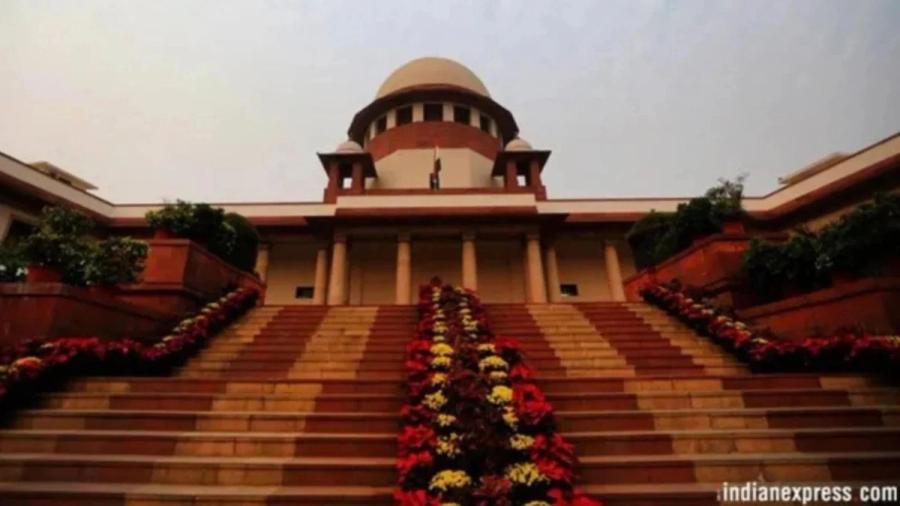
The Supreme Court of India has issued a significant clarification, ruling that individuals identifying as 'self-proclaimed journalists' do not automatically benefit from the same legal protections afforded to officially accredited media professionals. This judgment firmly establishes that journalistic rights in the country are tethered to formal recognition and adherence to established regulatory frameworks, rather than mere self-declaration. The court's directive emphasizes that the right to report, while fundamental, is not absolute and requires professional standing.
This ruling comes against a backdrop of increasing challenges to media freedom, where individuals without formal credentials have sometimes attempted to claim the protections accorded to established journalists. Historically, accreditation by recognized bodies has served as a demarcation, distinguishing professional reporting from informal commentary or activism. The judiciary is now reinforcing this distinction to prevent misuse of legal safeguards.
The background context reveals a growing need to regulate the landscape of digital and independent media in India. While the Constitution guarantees freedom of speech and expression, the Court has stressed that this freedom does not grant immunity to all who claim the mantle of journalism. The impact of this decision is clear: for any individual seeking legal recourse related to their journalistic activities, possessing official accreditation is now a crucial prerequisite, not just a professional credential but a legal one. This underscores the necessity of adhering to established media standards for full legal protection in the Indian context.
Also Read
महाबीज: ३५ वर्षांच्या कर्मचाऱ्यांना कामावरून काढले, कामगार मंत्र्यांच्या जिल्ह्यात अन्याय
महाबीजमध्ये ३५ वर्षांपासून कार्यरत असलेल्या २६ कामगारांना थेट कामावरून काढण्यात आले आहे. कामगार मंत्र्यांच्या जिल्ह्यातच हा अन्याय झाल्याने तीव्र प्रतिक्रिया उमटली आहे.
The Supreme Court's clarification establishes a critical legal demarcation within the Indian media landscape, moving beyond the notion of inherent journalistic privilege. Legal protections, including those related to freedom of expression and protection against unwarranted legal action, are intrinsically linked to official recognition. This ruling reinforces that the right to report, while fundamental, is exercised within a framework defined by professional standards and recognized credentials, rather than merely self-declaration.
The potential impact of this judgment is significant for media ethics and accountability. It suggests that unregulated or unverified reporting, often associated with self-proclaimed entities, may face different legal scrutiny compared to established, accredited news organizations adhering to established codes of conduct. This could encourage greater adherence to professional journalistic standards across the sector, mitigating the risk of misinformation being shielded under the guise of journalistic freedom.
Moving forward, the focus will shift to the implementation and enforcement of accreditation norms across various state and central regulatory bodies. Stakeholders, including media organizations, legal practitioners, and the judiciary, will observe how this principle translates into practical legal recourse. Future developments will likely involve clarifications on the accreditation process itself and how courts apply this distinction in cases involving defamation, privacy breaches, and public interest reporting. The judiciary’s stance signals a move towards professionalizing the practice of journalism in India.