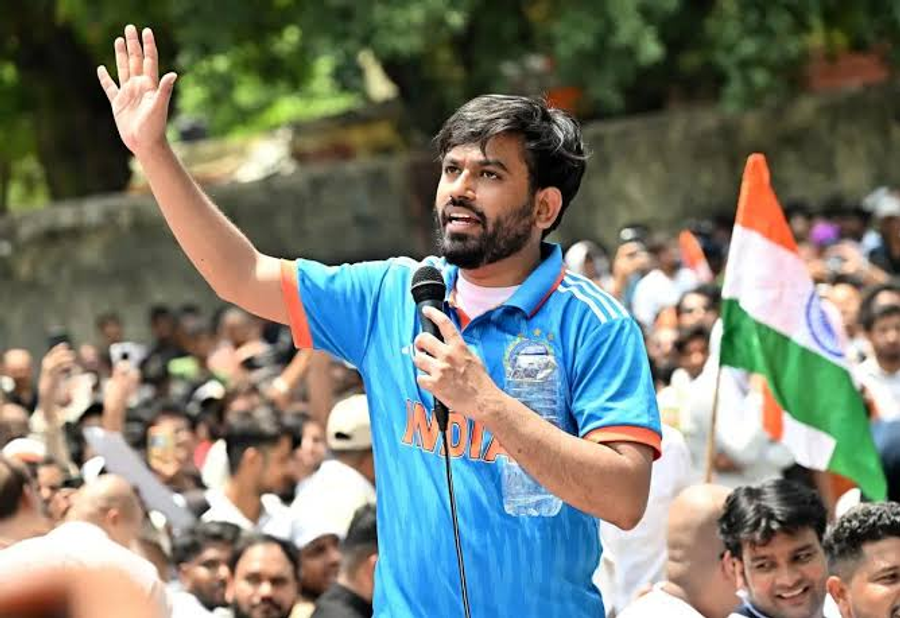
J&K Chief Secretary holds impromptu hearing with protesting staff
The new Chief Secretary of Jammu and Kashmir held an impromptu hearing with protesting staff today. This action provided assurance to the employees amidst their ongoing demonstrations.
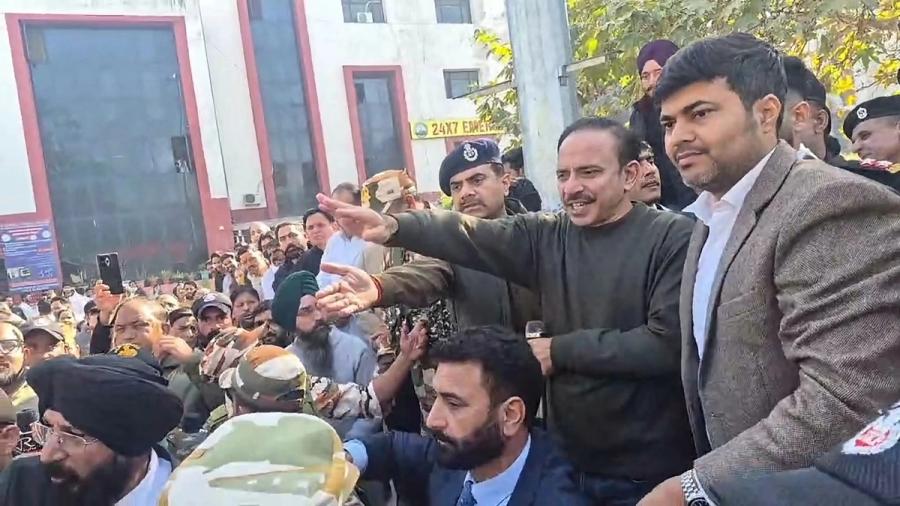
A palpable sense of tension surrounding employee protests in Jammu and Kashmir found an unexpected point of resolution today as the newly appointed Chief Secretary held an impromptu hearing with the protesting staff. The demonstration, which has been ongoing for several weeks, centered on demands related to service conditions and pending administrative reviews within the state bureaucracy. This unscheduled meeting, held at the secretariat premises, was widely interpreted by participating employees as a significant gesture of administrative responsiveness, offering immediate assurance amidst their sustained agitation.
The backdrop to this unrest is a period of administrative transition in the union territory, coupled with long-standing grievances among government employees regarding salary structures, regularization of contractual staff, and timely implementation of promised welfare schemes. Previous attempts by employee unions to secure formal meetings through established channels reportedly met with delays, fueling the decision by a segment of the workforce to take to the streets and hold organized demonstrations.
The Chief Secretary’s decision to convene the meeting on short notice signals a proactive approach to stakeholder management, aiming to de-escalate the ongoing industrial action. During the session, while specific resolutions were not immediately announced to the public, officials assured the staff that their concerns would be reviewed thoroughly and that necessary steps would be taken to address the core issues raised during the protest.
The immediate impact of this impromptu engagement is a noticeable shift in the mood among the protesting employees, moving from sustained demonstration to cautious dialogue. While the long-term resolution of their demands remains contingent on subsequent administrative action, this direct engagement by the highest administrative authority offers a crucial first step toward stabilizing the workforce and restoring normalcy to the state's administrative functions.
Also Read

रियाद में हूती हमला: 2 भारतीय सहित 11 लोग घायल
रियाद में हूती विद्रोहियों के हमले में 2 भारतीय समेत 11 लोग घायल हुए हैं। हूतियों ने फाइनेंशियल सेंटर के टावर को निशाना बनाया, जबकि चीन का ड्रोन यमन में नष्ट हुआ।
The impromptu meeting with the new Chief Secretary signals a shift towards direct engagement with employee grievances, moving beyond standard bureaucratic channels. This proactive step is significant because it acknowledges the validity of the staff concerns rather than dismissing them through formal procedure alone. For the public sector workforce in Jammu and Kashmir, this gesture provides a tangible assurance that their concerns regarding working conditions or administrative issues are being taken seriously at the highest administrative level, potentially de-escalating the ongoing protests.
The possible impact of this engagement lies in its potential to resolve immediate friction and foster a more collaborative working environment. If the discussions lead to concrete, actionable solutions—such as addressing specific service rule ambiguities or improving administrative processes—it could significantly reduce the need for prolonged demonstrations. Conversely, if the assurances provided are not followed by timely implementation, the trust established by the meeting could erode, potentially leading to renewed, more organized dissent.
Moving forward, the critical focus must remain on the documented outcomes of this hearing. What to watch next is not the continuation of protests, but the official follow-up actions: the issuance of circulars, timelines for policy changes, or internal review reports stemming from the Chief Secretary's office. Sustained administrative transparency regarding these resolutions will be the true measure of the impact. The long-term stability of the workforce hinges on demonstrable, timely redressal rather than mere assurances offered in a single meeting.