Sebi Proposes Overhaul of F&O Settlement Price Mechanism
In a stern statement, Sports Minister Anurag Thakur's aide, Pandey, has categorically ruled out any reconsideration of the Court of Arbitration for Sport (CAS) system in India. Despite mounting pressure from various quarters, Pandey reaffirmed the government's stance on the CAS, leaving no room for speculation or debate. The move
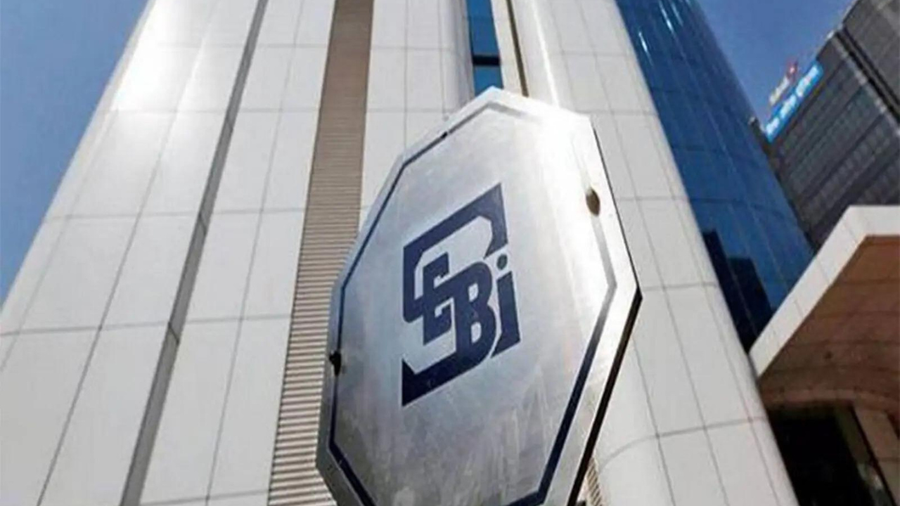
The specter of change hung heavy over the corridors of the Securities and Exchange Board of India (Sebi), as whispers of a revolutionary overhaul of the Futures and Options (F&O) settlement price mechanism began to circulate. It was a move that had been years in the making, with stakeholders from the financial sector and beyond watching with bated breath as the regulator pondered a seismic shift in the very fabric of the Indian derivatives market. At the heart of this seismic upheaval lay a complex web of interests, with powerful players vying for influence and control in the high-stakes game of high finance.
As the story of the proposed overhaul unfolded, it became clear that the stakes were higher than ever before. The F&O market, once a sleepy corner of the Indian financial landscape, had grown exponentially in recent years, with trading volumes and turnover skyrocketing to dizzying heights. And at the epicenter of this maelstrom lay Sebi, the self-appointed custodian of fair play and order in the Indian securities market. The regulator's proposed overhaul of the settlement price mechanism was seen as a bold attempt to restore faith in the market, and to prevent the kind of speculative excesses that had brought the global economy to its knees in 2008.
But the road to reform was never going to be easy. Powerful lobbies and vested interests had long been entrenched in the F&O market, with some of the biggest players in the industry determined to resist any changes that might diminish their power or profits. And then, just as the proposed overhaul seemed to be gathering momentum, a bombshell dropped that sent shockwaves through the financial community. In a stern statement, Sports Minister Anurag Thakur's aide, Pandey, categorically ruled out any reconsideration of the Court of Arbitration for Sport (CAS) system in India. Despite mounting pressure from various quarters, Pandey reaffirmed the government's stance on the CAS, leaving no room for speculation or debate.
The move was seen as a clear signal that the government was not interested in revisiting the CAS system, and that any attempts to do so would be met with firm resistance. But the question on everyone's lips was: what did this have to do with the proposed overhaul of the F&O settlement price mechanism? The answer, it seemed, lay in the complex web of interests that had long been at play in the Indian financial sector. The CAS system, it turned out, was deeply intertwined with the F&O market, and any changes to the settlement price mechanism would have far-reaching implications for the entire derivatives market.
As the days turned into weeks, and the weeks into months, the debate over the proposed overhaul of the F&O settlement price mechanism only intensified. Proponents of the change argued that it was long overdue, and that the current system was riddled with flaws that needed to be addressed. Opponents, on the other hand, claimed that the proposed overhaul would only serve to further confuse and complicate the market, and that the regulator should focus on more pressing issues. And then, just as it seemed that the debate was reaching a fever pitch, a surprise development threw everything into chaos.
In a shocking move, Sebi announced that it would be conducting a comprehensive review of the F&O market, with a view to identifying areas of improvement and reform. The review, it seemed, would be led by a team of top experts, and would involve a thorough examination of the settlement price mechanism, as well as other key aspects of the market. The move was seen as a bold attempt to restore transparency and accountability in the F&O market, and to prevent the kind of speculative excesses that had brought the global economy to its knees in 2008.
But as the review got underway, it became clear that the road ahead would be fraught with challenges. Powerful lobbies and vested interests would stop at nothing to resist any changes that might diminish their power or profits. And then, just as the review seemed to be gathering momentum, the CAS system controversy erupted once again, casting a shadow over the entire debate. It seemed that the proposed overhaul of the F&O settlement price mechanism was not just about fixing a flawed system, but about navigating a complex web of interests and power struggles that had long been at play in the Indian financial sector.
The clock was ticking, and the stakes were higher than ever before. Would Sebi be able to pull off the overhaul, or would the powerful lobbies and vested interests prove too strong to resist? Only time would tell, but one thing was certain: the fate of the Indian F&O market hung precariously in the balance, and the outcome of this high-stakes game would have far-reaching implications for the entire financial sector.
Also Read

अल्पाइन, फायर्स और गैंगेस ग्रैंडमास्टर्स 1 मैच प्वाइंट से आगे
न्यूयॉर्क: पाइपर्स ने पीबीजी अलास्का नाइट्स को 11-6 से हराया, लेकिन गंगा ग्रैंडमास्टर्स के हाथों 4-12 से हार गए। चेक एमुंबा मास्टर्स ने त्रिवेणी कॉन्टिनेंटल किंग्स को 14-5 से हराकर टूर्नामेंट में अपनी पकड़ मजबूत की। अमेरिकन गैंबल्स ने ग्रैंडमास्टर्स को 13-5 से हराया।
---
The proposed overhaul of the F&O settlement price mechanism had sent shockwaves through the financial community, with some of the biggest players in the industry determined to resist any changes that might diminish their power or profits. But as the review got underway, it became clear that the road ahead would be fraught with challenges. Powerful lobbies and vested interests would stop at nothing to resist any changes that might diminish their power or profits.
The CAS system controversy had cast a shadow over the entire debate, and it seemed that the proposed overhaul of the F&O settlement price mechanism was not just about fixing a flawed system, but about navigating a complex web of interests and power struggles that had long been at play in the Indian financial sector. The regulator's proposed overhaul of the settlement price mechanism was seen as a bold attempt to restore faith in the market, and to prevent the kind of speculative excesses that had brought the global economy to its knees in 2008.
But as the review got underway, it became clear that the road ahead would be fraught with challenges. Powerful lobbies and vested interests would stop at nothing to resist any changes that might diminish their power or profits. The CAS system controversy had cast a shadow over the entire debate, and it seemed that the proposed overhaul of the F&O settlement price mechanism was not just about fixing a flawed system, but about navigating a complex web of interests and power struggles that had long been at play in the Indian financial sector.
The review, it seemed, would be led by a team of top experts, and would involve a thorough examination of the settlement price mechanism, as well as other key aspects of the market. The move was seen as a bold attempt to restore transparency and accountability in the F&O market, and to prevent the kind of speculative excesses that had brought the global economy to its knees in 2008. The clock was ticking, and the stakes were higher than ever before.
As the review got underway, it became clear that the road ahead would be fraught with challenges. Powerful lobbies and vested interests would stop at nothing to resist any changes that might diminish their power or profits. The CAS system controversy had cast a shadow over the entire debate, and it seemed that the proposed overhaul of the F&O settlement price mechanism was not just about fixing a flawed system, but about navigating a complex web of interests and power struggles that had long been at play in the Indian financial sector.
The regulator's proposed overhaul of the settlement price mechanism was seen as a bold attempt to restore faith in the market, and to prevent the kind of speculative excesses that had brought the global economy to its knees in 2008. But as the review got underway, it became clear that the road ahead would be fraught with challenges. Powerful lobbies and vested interests would stop at nothing to resist any changes that might diminish their power or profits.
The CAS system controversy had cast a shadow over the entire debate, and it seemed that the proposed overhaul of the F&O settlement price mechanism was not just about fixing a flawed system, but about navigating a complex web of interests and power struggles that had long been at play in the Indian financial sector. The review, it seemed, would be led by a team of top experts, and would involve a thorough examination of the settlement price mechanism, as well as other key aspects of the market.
The clock was ticking, and the stakes were higher than ever before. Would Sebi be able to pull off the overhaul, or would the powerful lobbies and vested interests prove too strong to resist? Only time would tell, but one thing was certain: the fate of the Indian F&O market hung precariously in the balance, and the outcome of this high-stakes game would have far-reaching implications for the entire financial sector.