Bollywood's New Focus: India's Pride and Heritage
Bollywood legend Preity Zinta marked 28 years in the film industry, reflecting on the seismic shift from traditional film cameras and dubbing to modern digital filmmaking and live sound. She noted the significant evolution in storytelling, with an increasing focus on India-centric narratives that cater to the country's diverse audiences.
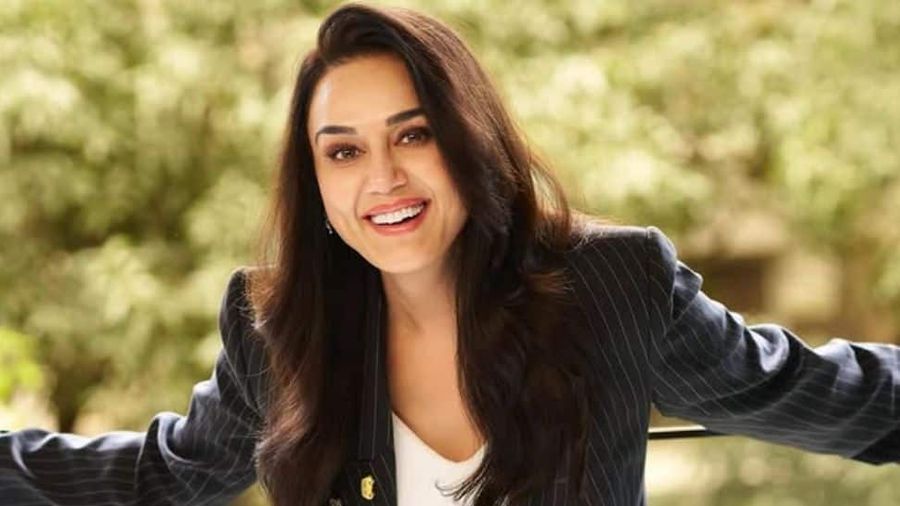
The silver screen's siren song had long been Preity Zinta's calling, beckoning her to the world of Bollywood with its dazzling lights, melodious melodies, and timeless tales. As she stood at the precipice of 28 years in the film industry, the actress reflected on a seismic shift that had transformed the very fabric of the cinematic landscape. Gone were the days of traditional film cameras and dubbing, replaced by the sleek, high-tech machinery of modern digital filmmaking and live sound. The change was palpable, and its impact far-reaching, as Preity Zinta's own journey from a small-town girl to a Bollywood legend bore testament to the evolving landscape.
In the early days, the industry was dominated by the 'Maharashtrian' sound, characterized by distinct regional accents and a blend of traditional folk music. Dubbing, a practice that originated in the 1960s, allowed for the replacement of dialogue with a more neutral, standardized accent, making the films more accessible to a broader audience. However, this came at the cost of losing the unique flavor of regional dialects and cultural nuances. As the industry adapted to the changing times, the emphasis shifted towards creating content that was more relatable to the Indian audience. The advent of digital technology revolutionized the filmmaking process, allowing for greater precision and flexibility in post-production. The introduction of live sound, which replaced the need for dubbing, brought about a more authentic and immersive viewing experience.
Preity Zinta's own journey began in the late 1990s, when she made her debut in the critically acclaimed film, "Tara Rum Pum." Her subsequent roles in films like "Dil Chahta Hai" and "Kal Ho Naa Ho" showcased her versatility as an actress, cementing her position as one of the leading ladies of Bollywood. As she navigated the ever-changing landscape of the industry, Preity Zinta found herself drawn to projects that celebrated India's rich cultural heritage. Her film, "Jab We Met," which told the story of two individuals from different walks of life finding love in the midst of adversity, resonated deeply with audiences across the country.
The seismic shift in the industry was not limited to technology; it also reflected a significant evolution in storytelling. As the Indian audience became more diverse and discerning, filmmakers began to explore themes that were more relevant to their lives. The focus on India-centric narratives was a deliberate attempt to create content that was authentic and relatable, rather than relying on formulaic, tried-and-tested plots. This shift towards more nuanced storytelling was reflected in the success of films like "3 Idiots" and "Taare Zameen Par," which tackled complex themes like education and disability in a way that was both entertaining and thought-provoking.
As Preity Zinta looked back on her 28-year journey, she was acutely aware of the role she had played in shaping the industry's narrative. Her decision to take on projects that celebrated India's rich cultural heritage was not just a personal choice, but a reflection of the changing times. The industry's emphasis on India-centric narratives was not just a marketing strategy, but a genuine attempt to create content that resonated with the country's diverse audiences. As the silver screen continued to evolve, one thing was certain – Preity Zinta's legacy would be remembered as a testament to the power of storytelling to bring people together, and to the enduring spirit of Bollywood's golden era.
The legacy of the 'Maharashtrian' sound, though fading, continued to influence the industry's approach to storytelling. Filmmakers like Karan Johar and Aditya Chopra, who had grown up on a diet of classic Bollywood films, were now pushing the boundaries of storytelling, experimenting with new techniques and themes. The impact of the digital revolution was also evident, as filmmakers like Aamir Khan and Anurag Kashyap continued to innovate, using new technologies to create immersive and engaging experiences for their audiences.
Preity Zinta's own journey, though marked by its share of highs and lows, had been a testament to the industry's ability to adapt and evolve. As she looked towards the future, she was optimistic about the industry's potential to continue pushing the boundaries of storytelling. The seismic shift in the industry's narrative was not just a reflection of the times, but a genuine attempt to create content that was authentic, relatable, and true to the spirit of India's rich cultural heritage.
The Indian audience, though diverse, was united in its love for Bollywood. The industry's ability to create content that resonated with its audiences was a testament to its enduring appeal. As Preity Zinta's 28-year journey came to a close, one thing was certain – the silver screen would continue to captivate audiences, weaving a spell of magic and wonder that would leave them enchanted and inspired.
Also Read

भारतीय उच्च गति ट्रेन का बॉडी वैलिडेशन, 2027 में बुलेट ट्रेन की शुरुआत की तैयारी
भारत की पहली स्वदेशी उच्च गति रेल सेट के विकास में जुटी पीएसयू कंपनी बीईएमएल लिमिटेड ने हाल ही में अपने स्टैंडर्ड-गेज हाई-स्पीड ट्रेन प्रोजेक्ट के लिए कारबॉडी की स्ट्रेस वैलिडेशन के लिए तीसरे पक्ष के प्रति एक सक्रिय प्रस्ताव जारी किया है। बीईएमएल के मुताबिक, यह ट्रेन 280 किमी
---
The seismic shift in the Indian film industry's narrative had far-reaching implications for the country's cultural landscape. As Preity Zinta's reflection on her 28-year journey highlighted, the industry's emphasis on India-centric narratives was not just a marketing strategy, but a genuine attempt to create content that resonated with the country's diverse audiences. This shift towards more nuanced storytelling had the potential to promote cross-cultural understanding and tolerance, as films tackled complex themes like education, disability, and social inequality in a way that was both entertaining and thought-provoking.
The impact of the digital revolution on the industry's narrative was also significant. The advent of digital technology had democratized the filmmaking process, allowing for greater precision and flexibility in post-production. The introduction of live sound had brought about a more authentic and immersive viewing experience, further enhancing the industry's appeal to a broader audience. As filmmakers like Aamir Khan and Anurag Kashyap continued to innovate, using new technologies to create engaging experiences for their audiences, the industry's potential to push the boundaries of storytelling was limitless.
The seismic shift in the industry's narrative had also led to a renewed focus on India's rich cultural heritage. Filmmakers like Karan Johar and Aditya Chopra were now experimenting with new techniques and themes, drawing inspiration from India's diverse cultural traditions. This emphasis on cultural heritage was not just a nostalgic attempt to revive the past, but a genuine attempt to create content that was authentic and relatable to the Indian audience.
The impact of the industry's narrative shift on the country's socio-economic landscape was also significant. As films tackled complex themes like education and social inequality, they were able to raise awareness and promote dialogue about these issues. The industry's ability to create content that resonated with its audiences had the potential to promote cross-cultural understanding and tolerance, as films brought together people from different walks of life to share in the magic of the silver screen.
As Preity Zinta's 28-year journey came to a close, one thing was certain – the Indian film industry would continue to evolve and adapt, pushing the boundaries of storytelling and promoting cross-cultural understanding and tolerance. The seismic shift in the industry's narrative was not just a reflection of the times, but a genuine attempt to create content that was authentic, relatable, and true to the spirit of India's rich cultural heritage.
The industry's emphasis on India-centric narratives had also led to a renewed focus on regional languages and dialects. Filmmakers like Mani Ratnam and Vetrimaaran were now experimenting with new techniques and themes, drawing inspiration from the rich cultural traditions of India's diverse regions. This emphasis on regional languages and dialects was not just a marketing strategy, but a genuine attempt to create content that was authentic and relatable to the Indian audience.
As the Indian film industry continued to evolve, one thing was certain – the silver screen would remain a powerful tool for promoting cross-cultural understanding and tolerance. The seismic shift in the industry's narrative had far-reaching implications for the country's cultural landscape, promoting a renewed focus on India's rich cultural heritage and regional languages and dialects.