Cyclone Arnab nears East Coast: Thousands to be Evacuated in India
Thousands in eastern coastal states are preparing for Cyclone Arnab, expected to make landfall in Andhra Pradesh on Wednesday. The storm is forecast to bring gusts up to 140 kph, prompting local school closures.
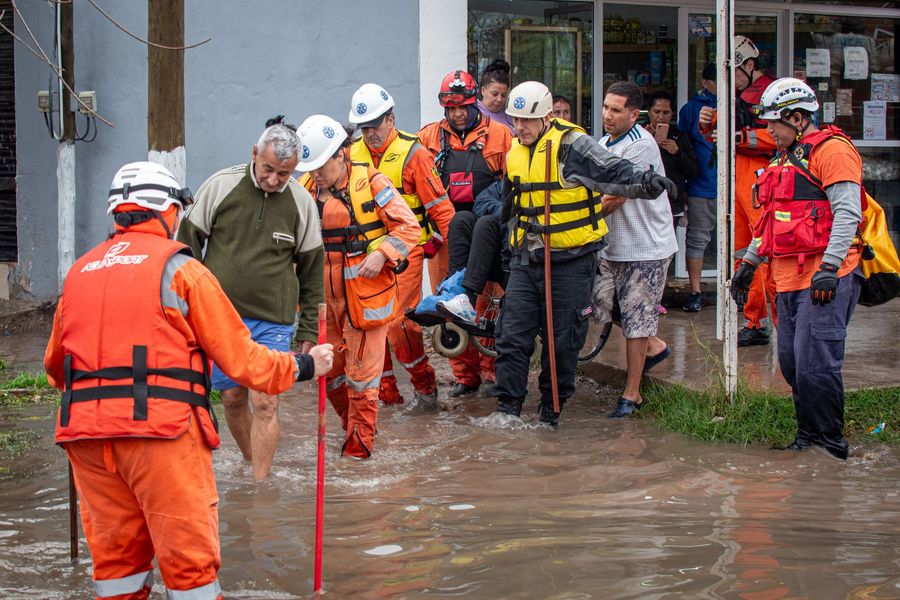
Thousands of residents across eastern coastal states of India are bracing for the imminent arrival of Cyclone Arnab, which is forecast to make landfall in Andhra Pradesh on Wednesday. Meteorological departments have issued high-level warnings as the storm intensifies, posing significant risks to vulnerable populations residing near the coast. The current trajectory places the storm directly in the path of densely populated coastal districts, necessitating immediate and large-scale preparatory measures by state and central authorities.
The cyclone is predicted to bring severe weather conditions, including wind gusts reaching up to 140 kph. In anticipation of the high winds and associated heavy rainfall, local administrations have proactively initiated precautionary measures, including the closure of all schools in affected areas to ensure the safety of children and educators. Evacuation protocols have been activated in low-lying and highly susceptible villages, with relief camps being established to accommodate displaced families.
The background context reveals that the eastern coast, while accustomed to cyclonic activity, faces heightened vulnerability due to increasing coastal development and the changing intensity patterns of tropical cyclones in the region. Previous seasons have seen significant disruption to fishing, agriculture, and local infrastructure, making this preparedness effort critical for minimizing loss of life and economic damage.
The impact of Cyclone Arnab is expected to be felt across Andhra Pradesh, with potential disruptions to power supply, transportation, and access to essential services immediately following landfall. Authorities are coordinating with the National Disaster Response Force to manage the evacuation process and ensure timely relief distribution once the storm passes, underscoring a massive, coordinated effort to safeguard human life against the natural fury of the weather system.
Also Read

खंडरे ने 'केलाडी कर्नाटक' की मांग का समर्थन किया
एश्वर खंडरे ने कहा कि समाज उपलब्धि हासिल करने वालों को याद करता है और वीरशैव व लिंगायत एक ही सिक्के के दो पहलू हैं। उन्होंने इस संबंध में तथ्यात्मक और संतुलित दृष्टिकोण प्रस्तुत किया।
The impending landfall of Cyclone Arnab in Andhra Pradesh carries significant implications for the region's immediate stability and infrastructure. The forecasted wind speeds of up to 140 kph necessitate comprehensive emergency preparedness across multiple districts, moving beyond routine weather advisories to full-scale disaster management activation. This level of intensity poses direct threats to vulnerable coastal settlements, agricultural land, and essential public services, demanding coordinated action from state and central disaster response agencies.
The potential impact extends beyond immediate property damage; it affects the livelihoods of thousands dependent on coastal agriculture and fishing. Disruptions to transportation networks, power supply, and water resources are anticipated in the landfall zone. Local administrative measures, such as school closures, are a direct protective measure, aiming to prevent casualties among children and ensure resources are focused on evacuation and shelter management rather than routine operations.
Looking ahead, the critical focus shifts to the execution of the evacuation plans and the post-landfall recovery phase. Monitoring the real-time track and intensity updates from meteorological departments remains paramount for adjusting relief efforts dynamically. What to watch next is the swiftness and efficacy of the relief distribution—including food, clean water, and medical aid—in the immediate aftermath. Furthermore, the scale of the infrastructure damage will dictate the timeline for economic recovery and the subsequent need for targeted governmental aid and rehabilitation programs in the affected Andhra Pradesh districts.