Gill cites lack of saliva, soft balls as challenge in 25-30 overs
Shubman Gill reported that the ball was softening significantly during the 25-30 over mark. He cited the lack of saliva as a contributing factor making batting challenging.
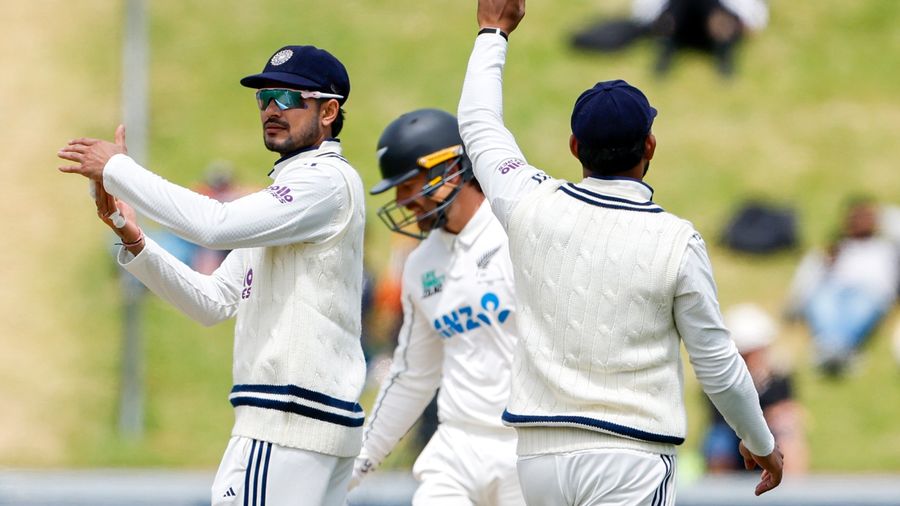
Shubman Gill has raised concerns regarding the condition of the cricket ball during the middle overs of a recent match, specifically noting that the ball was softening significantly around the 25 to 30 over mark. In his observations, Gill pointed to the absence of saliva as a crucial element that, in his view, is making the batting challenge considerably tougher for the players on the field. This feedback comes amidst ongoing discussions within the cricketing community about the nuances of ball maintenance and its effect on match dynamics.
The context of this complaint relates to the typical wear and tear a cricket ball undergoes during a long innings. Normally, the natural moisture and saliva present on the ball contribute to its resilience and surface integrity. When this natural element is absent or significantly reduced, the ball tends to degrade faster, losing its hardness and shape more quickly, which directly impacts how batsmen can connect with it.
This observation by Gill highlights a practical concern for modern cricket, where environmental and on-field conditions are meticulously managed. The impact of a softening ball is twofold: it changes the trajectory and bounce unpredictably, demanding greater technical adjustment from the batsman, and it alters the strategic approach of the fielding side.
The discussion surrounding Gill’s comments is not isolated; it feeds into broader conversations about equipment standards and how they influence the flow and skill display in professional cricket. His detailed report serves as important input for match officials and equipment providers to ensure consistent and fair playing conditions across all competitive fixtures.
Also Read

महाजनचा राहुल गांधीला मतचोरी आरोपांवर थेट सवाल
गिरीश महाजन यांनी राहुल गांधींच्या मतचोरीच्या आरोपांवर तीव्र टीका करत ते बालिश असल्याचे म्हटले. त्यांनी विरोधी पक्षाच्या या प्रकारावर प्रश्नचिन्ह उपस्थित करून देशाच्या दिशेवर विचार करण्याचे आवाहन केले.
The observation regarding ball degradation during the middle overs carries significant implications for match strategy and player performance across domestic and international cricket. In high-stakes contests, the consistent condition of the ball dictates the rhythm of the game; premature softening can alter shot selection, favoring defensive solidity over aggressive stroke play, particularly in limited-overs formats. This physical aspect of the game, often overlooked in statistical analysis, directly impacts the batting team's ability to maintain momentum and execute pre-planned strategies through the crucial middle phase of an innings.
The mention of saliva as a mitigating factor points towards specific environmental or playing conditions where traditional ball maintenance methods are not fully applicable or are restricted. This detail underscores the need for clearer guidelines or standardized protocols regarding ball preparation and maintenance across all levels of cricket, ensuring fairness regardless of the venue or local regulations. For coaches and captains, this provides actionable data on when and how to adjust fielding placements, bowling variations, and batting tempo to counteract the physical state of the ball.
Moving forward, attention should remain on how match officials address the reported ball condition. Future observations will need to track whether this issue is isolated to a specific match or indicative of a broader trend in ball quality across tournaments. Furthermore, monitoring how teams adapt their batting approaches in subsequent fixtures—specifically whether they compensate for the softening ball through timing adjustments or shot selection changes—will offer further insight into the practical impact of this technical challenge on competitive cricket.